
METRO
Asaba Massacre: Nigeria Must Share Our Pain, Learn From Tragedy – Nduka-Eze

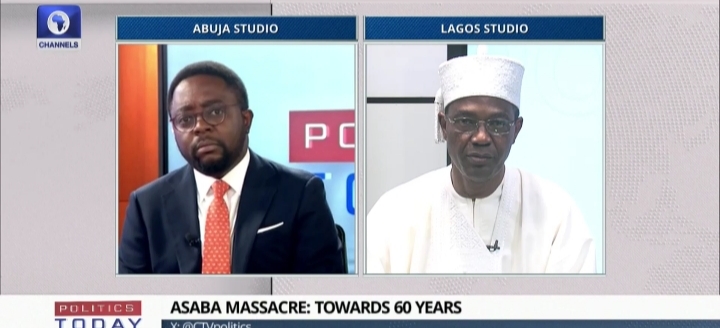
The Chairman of the Asaba Massacre Memorial Trust, Chuck Nduka-Eze, has called for a national reckoning over the Asaba Massacre, insisting that the tragedy should not be treated as the burden of Asaba alone but as a painful chapter in Nigeria’s history.
Nduka-Eze made the call while reflecting on the massacre, which occurred during the Nigerian Civil War and claimed the lives of hundreds of Asaba residents.
According to him, what happened in Asaba was fundamentally a Nigerian tragedy and should therefore be remembered and confronted by the entire country.
“The general feeling is that Asaba is trying to say something to the country. What happened in Asaba happened to Nigeria because it was a Nigerian tragedy,” he said.
He stressed that genuine healing would require Nigerians to understand what happened and draw lessons from the tragedy.
“It is not only a pain that should be borne by Asaba people; it should be a pain that should be shared by the whole country,” Nduka-Eze said.
He argued that failure to learn the right lessons from the massacre had contributed to a culture of impunity, saying some subsequent crises in Nigeria might have been prevented if accountability had followed the events of Asaba.
Nduka-Eze also said the people of Asaba had made enormous sacrifices during the civil war, describing their losses as part of what was presented as a war for national unity.
He, however, questioned whether the country adequately demonstrated that commitment to unity after the war, particularly in the treatment of people from the former Biafran region.
According to him, many Igbo people were not fully reintegrated into the Nigerian establishment after the war, forcing some to leave the country and build successful lives abroad.
He described the development as a loss to Nigeria, arguing that the country failed to fully benefit from the talents and contributions of many of its citizens.
Meanwhile, Major General Ahmed Taiwo (rtd), son of the late Colonel Ibrahim Taiwo, has advocated forgiveness and dialogue as pathways towards healing over the Asaba Massacre and other painful episodes of Nigeria’s past.
Taiwo said he had been aware of the issue for decades and had personally researched it extensively while serving in Enugu.
“I have always believed that forgiveness is the only way we can heal this,” he said.
He called for broader national conversations on the issues that contributed to the country’s tragedies, stressing the need for Nigerians to confront the past and seek genuine forgiveness.
“I think we should have major discussions around all these issues that bedeviled the nation, and seek true forgiveness and healing will come thereafter,” Taiwo said.
The retired general also clarified that his comments were not prompted by external pressure, noting that he had known about the Asaba Massacre for about 31 years and had studied the circumstances surrounding it.

For publication of your news content, articles, videos or any other news worthy materials, please send to newsleverage1@gmail.com. For more enquiry, please call +234-901-067-1763 or whatsapp +234-901-067-1763. To place an advert, please call 09010671763

Asaba Massacre: Nigeria Must Share Our Pain, Learn From Tragedy – Nduka-Eze

Tinubu Departs Abuja for Makkah to Pray for Nigeria

TUC Rejects FG’s N70,000 Wage Allowance, Demands Salary Review

AfriCANDO 2026: Abia Woos Global Investors, Set to Showcase Economic Potential to World

2027: New Direction Agenda Backs Chidi Nnamdi, Says Constituency Deserves Competent, Purposeful Representation

Chinedum Enyinnaya Orji Celebrates Dr. Philip Nto, Hails Contributions To Education

Bourdex Unveils Masterplan to Transform Abia North Markets into Agro-Processing, Job Creation Hubs

2027: ASA Liberation Movement Chooses Adinigwe Nwoke As Ukwa East/West Consensus Candidate

2027: Abiriba Stands Still as Labour Party Faithful Storm Streets in Solidarity Walk

“Nobody Owns Abia North” – Bourdex Challenges Kalu, Pledges Inclusive Representation

Cardinal Onaiyekan: Governor Alia Was Suspended for Defying Catholic Church Rules on Politics

Eze Eberechukwu Oji Receives New Book on Arochukwu’s Cultural Heritage, Eulogizes Author

2027: INEC Warns Against Private Declaration of Election Results, Says Commission Has Exclusive Authority

NIGERIA at 66: What is the Way Forward? – Otunba Babatunde Olushola Senbanjo Calls for Rescue, Rebuild and Restore the Nation

‘We Will, We Will, We Will’: Atiku Slams Tinubu Over Promises, Questions Achievements After Three Years

How Customs ACG, Others Defrauded Man of ₦96m Over Fake Container Auction – Verydarkman

FG Announces 30-Day Petrol Discount at NNPC Stations

Akpabio’s Cruel Ignorance: Punishing Suicide Survivors Is No Answer to Despair – Abdul Mahmud

2026 Teachers’ Day: Otti Approves N1bn Appreciation Fund, Orders Payment of Outstanding Teachers’ Dues

66 Years of Independence: Otunba Babatunde Olushola Senbanjo Calls for Rejection of APC in 2027, Says Nigeria Must Reclaim Its Promise

The final 6 ‘Game of Thrones’ episodes might feel like a full season
New Season 8 Walking Dead trailer flashes forward in time
Mod turns ‘Counter-Strike’ into a ‘Tekken’ clone with fighting chickens
Meet Superman’s grandfather in new trailer for Krypton
Disney’s live-action Aladdin finally finds its stars
Who are the early favorites to win the NFL rushing title?
The old and New Edition cast comes together to perform
Boxing continues to knock itself out with bewildering, incorrect decisions
Steph Curry finally got the contract he deserves from the Warriors
Phillies’ Aaron Altherr makes mind-boggling barehanded play
-
 NATIONAL NEWS3 weeks ago
Cardinal Onaiyekan: Governor Alia Was Suspended for Defying Catholic Church Rules on Politics
-
 METRO2 weeks ago
Eze Eberechukwu Oji Receives New Book on Arochukwu’s Cultural Heritage, Eulogizes Author
-
 NATIONAL NEWS3 weeks ago
2027: INEC Warns Against Private Declaration of Election Results, Says Commission Has Exclusive Authority
-
Articles4 weeks ago
NIGERIA at 66: What is the Way Forward? – Otunba Babatunde Olushola Senbanjo Calls for Rescue, Rebuild and Restore the Nation
-
NATIONAL NEWS4 weeks ago
‘We Will, We Will, We Will’: Atiku Slams Tinubu Over Promises, Questions Achievements After Three Years