
Articles
30-Day Fuel Discount: Nigerians Deserve More Than Temporary Relief – Otunba Babatunde Olushola Senbanjo

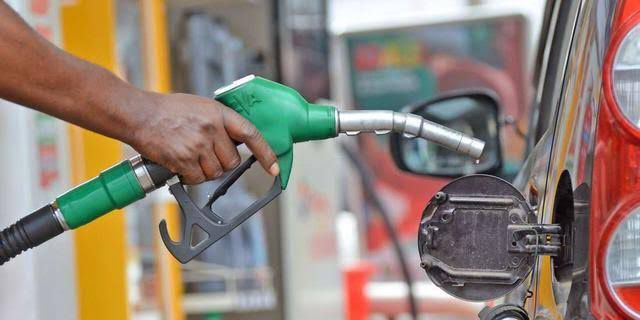
Is the NNPC Fuel Discount Genuine Relief or Another Political Strategy? Nigerians Deserve the Truth
By Otunba Dr Babatunde Olushola Senbanjo (BOS)
Every responsible Nigerian should ask a simple question today: What exactly is the Federal Government trying to achieve with a 30-day fuel discount when millions of Nigerians still struggle with the consequences of rising fuel prices, unbearable transportation costs, expensive food, unemployment, and a declining standard of living?
Is this the beginning of a genuine, long-term economic recovery plan, or is it another temporary measure designed to calm public anger while Nigerians continue to suffer?
The government must understand that Nigerians are tired of policies that provide temporary relief without addressing the fundamental problems confronting the country. Our people are not asking for a few days of comfort followed by months of hardship. They are asking for a country where their earnings can sustain their families, businesses can survive, transportation is affordable, and the prices of basic necessities do not continue to rise beyond the reach of ordinary citizens.
Thirty days of discounted fuel cannot erase months and years of economic hardship.
Nigerians have witnessed the impact of fuel price increases on virtually every aspect of daily life. When the price of fuel rises, transport fares rise. When transport fares rise, the cost of moving food and other essential commodities increases. When transportation and production costs increase, traders and manufacturers pass those expenses on to consumers. Eventually, the ordinary Nigerian bears the burden.
The consequences are visible in the struggles of market women, commercial drivers, artisans, farmers, civil servants, private-sector workers, students, pensioners, and unemployed young people.
Families that once managed to eat three meals a day now struggle to provide even two. Small businesses that once operated profitably are battling higher operating costs. Farmers are struggling with the cost of transporting agricultural produce, while consumers are finding it increasingly difficult to afford the food they need.
Against this background, the government must explain how a 30-day fuel discount will provide lasting relief.
What happens on the thirty-first day?
Will transportation costs automatically return to an affordable level? Will food prices fall and remain affordable? Will small businesses suddenly recover? Will workers’ salaries increase to match the cost of living? Will the cost of production decrease permanently?
If the answers to these questions remain uncertain, then Nigerians have every reason to demand a clearer explanation of the policy’s purpose, duration, funding, and long-term benefits.
IS THIS ABOUT THE WELFARE OF NIGERIANS OR THE POLITICS OF 2027?
As Nigeria approaches another general election cycle, the timing and design of major economic relief measures deserve public scrutiny.
The Federal Government must not expect Nigerians to ignore the political implications of policies introduced during a period of widespread economic frustration. Citizens have every right to ask whether temporary relief is part of a comprehensive economic programme or whether it could also serve political interests ahead of the 2027 general elections.
Let us be clear: the timing of a policy does not, by itself, prove an electoral motive. However, neither should the government expect citizens to suspend their judgment simply because a policy is presented as a gesture of compassion.
The most important question is whether the measure will improve people’s lives in a measurable and sustainable way.
If the administration genuinely wants to demonstrate its commitment to Nigerians, it should provide transparent information about the discount, explain who will benefit, publish its expected financial cost, and show how the government intends to prevent the relief from becoming another short-lived intervention.
Nigerians need evidence of good governance, not promises that disappear when the headlines fade. 
A government should not measure its success by the excitement surrounding the announcement of a policy. It should measure its success by the improvement citizens experience in their everyday lives.
People should not have to wait for election season before they receive meaningful economic relief. Good governance is a continuous responsibility, not an occasional campaign message.
WHY SHOULD NIGERIANS CELEBRATE THIRTY DAYS OF RELIEF WHEN THE ECONOMIC CHALLENGES REMAIN?
The Nigerian people deserve more than temporary discounts. They deserve an economy in which fuel prices, transportation costs, food prices, electricity tariffs, and business expenses are addressed through credible and coordinated policies.
A 30-day discount may offer some immediate relief to eligible consumers, depending on its terms and implementation. That possibility should not be dismissed. But the government must also acknowledge the limits of a temporary intervention.
The real issue is sustainability.
If the cost of transporting goods remains high, food may remain expensive even when fuel becomes temporarily cheaper. If electricity supply remains unreliable, businesses may continue spending heavily on generators. If the naira remains under pressure and production costs remain elevated, manufacturers and traders may still struggle to reduce prices.
Therefore, the government must explain how the fuel discount fits into a wider economic recovery strategy.
Where is the comprehensive plan to reduce transportation costs?
Where is the strategy to strengthen local refining and improve the stability of fuel supply?
Where is the practical programme to support small businesses that have suffered from rising operating expenses?
Where is the clear plan to improve agricultural productivity, storage, processing, and food distribution?
Where is the commitment to ensure that economic reforms translate into better living standards for ordinary Nigerians?
These are the questions that deserve answers.
The people cannot survive on announcements. They cannot pay school fees with political speeches. They cannot buy food with promises. They cannot pay rent with temporary relief.
A hungry population needs practical solutions, not public relations.
APC AND THE RESPONSIBILITY TO ACCOUNT FOR GOVERNANCE
The administration led by the All Progressives Congress (APC) must recognise that governing Nigeria comes with enormous responsibility.
The government has the right to introduce economic reforms, and some reforms may involve difficult short-term adjustments. However, the legitimacy of those decisions must be strengthened through transparency, accountability, effective implementation, and visible efforts to protect vulnerable citizens.
Economic reforms should not become an excuse for ignoring the suffering of ordinary people.
If the government believes that its policies are improving the economy, it should explain those improvements using clear and verifiable indicators. It should tell Nigerians how household purchasing power is changing, how employment opportunities are growing, how inflation is affecting essential commodities, and what is being done to make economic recovery inclusive.
It should also acknowledge where policies are falling short and explain what will be changed.
Leadership is not about insisting that citizens should be grateful for every intervention. Leadership means listening to criticism, examining the evidence, correcting mistakes, and delivering results.
The government must understand that citizens can appreciate a policy’s immediate benefits while still questioning whether it is sufficient.
Those two positions are not contradictory. They are part of responsible citizenship.
NIGERIANS ARE NOT DUMMIES WHO CAN BE PACIFIED WITH TEMPORARY RELIEF
Nigerians are politically conscious. They understand the difference between a policy that provides temporary assistance and a policy that changes the direction of the economy.
They understand that good governance cannot be reduced to a few days of discounts, occasional palliatives, or carefully timed announcements.
They understand that a country cannot achieve sustainable development without affordable energy, productive industries, reliable infrastructure, quality education, accessible healthcare, food security, and employment opportunities.
Most importantly, Nigerians understand that the ultimate test of government is not how attractive its announcements sound, but how effectively its policies improve the lives of citizens.
The government should not underestimate the intelligence of the people.
A citizen who questions a temporary intervention is not necessarily opposed to economic reform. A citizen who demands accountability is not necessarily an enemy of the government. A citizen who criticises the administration is exercising a fundamental democratic right.
The government must learn to distinguish between constructive criticism and political hostility.
Instead of treating public questions as an inconvenience, it should welcome them as an opportunity to demonstrate transparency and competence.
If the 30-day fuel discount is genuinely intended to help Nigerians, then its implementation should be open, measurable, and accountable. The government should explain the eligibility criteria, expected savings for consumers, participating outlets, financial implications, and arrangements for what happens when the discount expires.
Anything less risks leaving the public with more questions than answers.
WHAT NIGERIANS REALLY WANT FROM THEIR GOVERNMENT
Let us make this clear: Nigerians are not demanding miracles overnight. They are demanding responsible leadership and a realistic plan for the future.
They want fuel prices and transportation costs that households and businesses can reasonably manage.
They want food to become more affordable, not merely for a few weeks but on a lasting basis.
They want an economy that rewards hard work instead of leaving hardworking citizens trapped in poverty.
They want farmers to have access to affordable inputs, equipment, storage facilities, financing, and reliable routes to market.
They want small businesses to operate without being crushed by rising energy and transportation expenses.
They want young people to find meaningful employment and opportunities to build successful careers.
They want public funds to be managed transparently and government spending to deliver measurable value.
They want security in their communities, reliable public services, and institutions that treat every citizen with dignity.
Above all, they want a government that understands that economic growth means little to a family that cannot afford its basic needs.
A rising economic indicator should ultimately translate into better living conditions. If economic progress is being reported while many households continue to experience severe financial pressure, the government must explain the gap and show what it is doing to close it.
THE WAY FORWARD: LESS POLITICAL SHOWMANSHIP, MORE SUSTAINABLE POLICY
Rather than relying on a single 30-day intervention, the Federal Government should demonstrate how the discount connects to a broader, publicly accountable economic programme.
First, it should publish clear details of the discount and provide a credible explanation of its funding and expected benefits.
Second, it should monitor whether consumers actually receive the advertised savings rather than allowing the benefits to disappear through inconsistent implementation or other charges.
Third, it should introduce and communicate realistic measures to reduce food transportation and distribution costs.
Fourth, it should strengthen local production, agricultural value chains, energy supply, and other sectors that can reduce the economy’s vulnerability to persistent cost increases.
Fifth, it should provide targeted and transparent assistance to low-income households and vulnerable groups, with clear eligibility rules and safeguards against corruption.
Sixth, it should publish regular progress reports so Nigerians can evaluate whether its interventions are working.
Finally, it should explain what happens after the 30-day period ends. A responsible government must plan beyond the announcement of a policy and take responsibility for its consequences.
The public deserves to know whether the discount is an isolated intervention or part of a longer-term strategy. That distinction matters because Nigerians need policies that can withstand political seasons and continue delivering benefits regardless of the electoral calendar.
2027 MUST BE ABOUT ACCOUNTABILITY, NOT TEMPORARY INDUCEMENTS
As the 2027 general elections approach, Nigerians should pay attention to policies, performance, public spending, and the promises made by political leaders.
The electoral process should provide an opportunity for citizens to examine the record of the administration, compare policy proposals, ask difficult questions, and make independent decisions about the country’s future.
A temporary fuel discount should neither automatically earn a government praise nor automatically establish an improper political motive. Its true value should be judged by its implementation, measurable benefits, cost, and relationship to the government’s wider economic plans.
The same standard of scrutiny should apply to every political party and every administration.
Nigerians deserve to know what has worked, what has failed, what has been spent, and what each political alternative proposes to do differently.
Democracy is strongest when citizens are informed, institutions are accountable, and political leaders understand that public office is a responsibility rather than a personal entitlement.
The future of Nigeria must not be reduced to a competition over who can announce the most attractive temporary benefit. It must be about who can present credible plans, explain how those plans will be funded, and demonstrate a commitment to implementing them transparently.
MY FINAL MESSAGE TO THE FEDERAL GOVERNMENT
The Federal Government of Nigeria must understand that the people need lasting solutions to their economic challenges.
A 30-day fuel discount may provide temporary assistance, but Nigerians deserve a clear explanation of what comes next. They deserve to understand how the policy will affect their daily expenses and what steps the government will take to prevent today’s relief from becoming tomorrow’s disappointment.
If the objective is genuine economic relief, let the government demonstrate it through transparent implementation and measurable results.
If the objective is economic recovery, let the government present a realistic strategy that addresses the underlying causes of hardship.
And if the government wants Nigerians to have confidence in its leadership, let it earn that confidence through consistent performance, honest communication, and accountability.
The people should not have to choose between temporary relief and sustainable development. A responsible government should pursue both immediate assistance for those in need and long-term policies that improve living standards.
NIGERIANS ARE NOT DUMMIES. WE DESERVE THE TRUTH. WE DESERVE ACCOUNTABILITY. WE DESERVE A GOVERNMENT THAT WORKS FOR THE PEOPLE EVERY DAY, NOT JUST WHEN AN ELECTION IS APPROACHING.
Our country has enormous human and economic potential. That potential must be translated into better lives for ordinary citizens through responsible leadership, sound economic management, productive investment, and institutions that serve the public interest.
Let the government move beyond announcements and demonstrate results.
Let it move beyond temporary relief and explain its long-term commitments.
Let it move beyond political arguments and answer the legitimate questions of the people.
NIGERIA DESERVES REALISTIC GOVERNANCE, SUSTAINABLE ECONOMIC RELIEF, AND ACCOUNTABLE LEADERSHIP. THE PEOPLE’S WELFARE MUST ALWAYS COME BEFORE POLITICAL CONVENIENCE.
The future of Nigeria is too important to be built on temporary promises. It must be built on policies that work, institutions that are accountable, and leadership that understands the true meaning of public service.
God bless the Federal Republic of Nigeria.

For publication of your news content, articles, videos or any other news worthy materials, please send to newsleverage1@gmail.com. For more enquiry, please call +234-901-067-1763 or whatsapp +234-901-067-1763. To place an advert, please call 09010671763





30-Day Fuel Discount: Nigerians Deserve More Than Temporary Relief – Otunba Babatunde Olushola Senbanjo

FG Announces 30-Day Petrol Discount at NNPC Stations

Orji Mourns Squadron Leader Man-Ugwueje, Describes Fallen Air Force Officer as Servant of Fatherland

“Let Us Unite for Progress” – Onukwuo Says, Mobilises Support for Chinedum Enyinnaya Orji

Odumeje Blasts FG Over Celebration of Existing Onitsha Head Bridge, Says “Holy Ghost Will Kpai You”

Nigeria Needs Leadership, Not Politics of Personal Power – Otunba Babatunde Olushola Senbanjo

Amnesty International Demands Reversal of Madonna University Students’ Expulsion, Suspension Over TikTok Video

“Otti Has Made Your Job Easy, Sell His Achievement” – LP National Secretary Charges Rt. Hon. Agwu U. Agwu’s Campaign Council

Hon. Chidi Nnamdi Consults Hon. Seth Agonumo in Obingwa, Receives Support

2027: Tinubu Will Give Opponents ‘Margin You Won’t Believe’ – Bwala

Ikeji Aro 2026 on Avor Osu Day: Nkita Oku, Inum, Ekpe Erim, Other Ekpo Masquerades Pay Homage to Eze Eberechukwu Oji

97-Year-Old Dr Mrs. Shields Reconstructs, Reopens Mary Slessor Library in Arochukwu

Ikeji-Aro 2026: ‘We Are Repackaging Aro Traditional Healing Practices for the Younger Generation’ – Mazi Ernie Onwumere

2027: Hon. Ike Bishop Okoronkwo Mobilises Abia North Grassroots, Tasks ADC Coordinators on Polling Units

Ikeji-Aro 2026: CPC Chairman Elekwa Explains ‘Aro Renaissance’ Theme, Reveals Plans to Preserve Cultural Heritage

APC Sanctuary: How the Ruling Party Became Nigeria’s Governance Virus – Otunba Babatunde Olushola Senbanjo

Eze Eberechukwu Oji Commissions Amuvi Community Self-Built Connectivity Hub

Nigeria Owes Tobi Amusan a Statue – Abdul Mahmud

Obioma-Ngwa 2027: Chidi Nnamdi Pushes Case for Responsive Representation – Comrade Abuchi Isaac

‘We Will, We Will, We Will’: Atiku Slams Tinubu Over Promises, Questions Achievements After Three Years

The final 6 ‘Game of Thrones’ episodes might feel like a full season
New Season 8 Walking Dead trailer flashes forward in time
Mod turns ‘Counter-Strike’ into a ‘Tekken’ clone with fighting chickens
Meet Superman’s grandfather in new trailer for Krypton
Disney’s live-action Aladdin finally finds its stars
Who are the early favorites to win the NFL rushing title?
The old and New Edition cast comes together to perform
Boxing continues to knock itself out with bewildering, incorrect decisions
Steph Curry finally got the contract he deserves from the Warriors
Phillies’ Aaron Altherr makes mind-boggling barehanded play
-
 Abia State News2 weeks ago
Ikeji Aro 2026 on Avor Osu Day: Nkita Oku, Inum, Ekpe Erim, Other Ekpo Masquerades Pay Homage to Eze Eberechukwu Oji
-
 Abia State News2 weeks ago
97-Year-Old Dr Mrs. Shields Reconstructs, Reopens Mary Slessor Library in Arochukwu
-
 Abia State News3 weeks ago
Ikeji-Aro 2026: ‘We Are Repackaging Aro Traditional Healing Practices for the Younger Generation’ – Mazi Ernie Onwumere
-
 POLITICS2 weeks ago
2027: Hon. Ike Bishop Okoronkwo Mobilises Abia North Grassroots, Tasks ADC Coordinators on Polling Units
-
 Articles4 weeks ago
Ikeji-Aro 2026: CPC Chairman Elekwa Explains ‘Aro Renaissance’ Theme, Reveals Plans to Preserve Cultural Heritage