
Abia State News
Direct Touch: Chinedum Orji’s Decade of Grassroots Impact Positions Him for 2027 – Madubuike

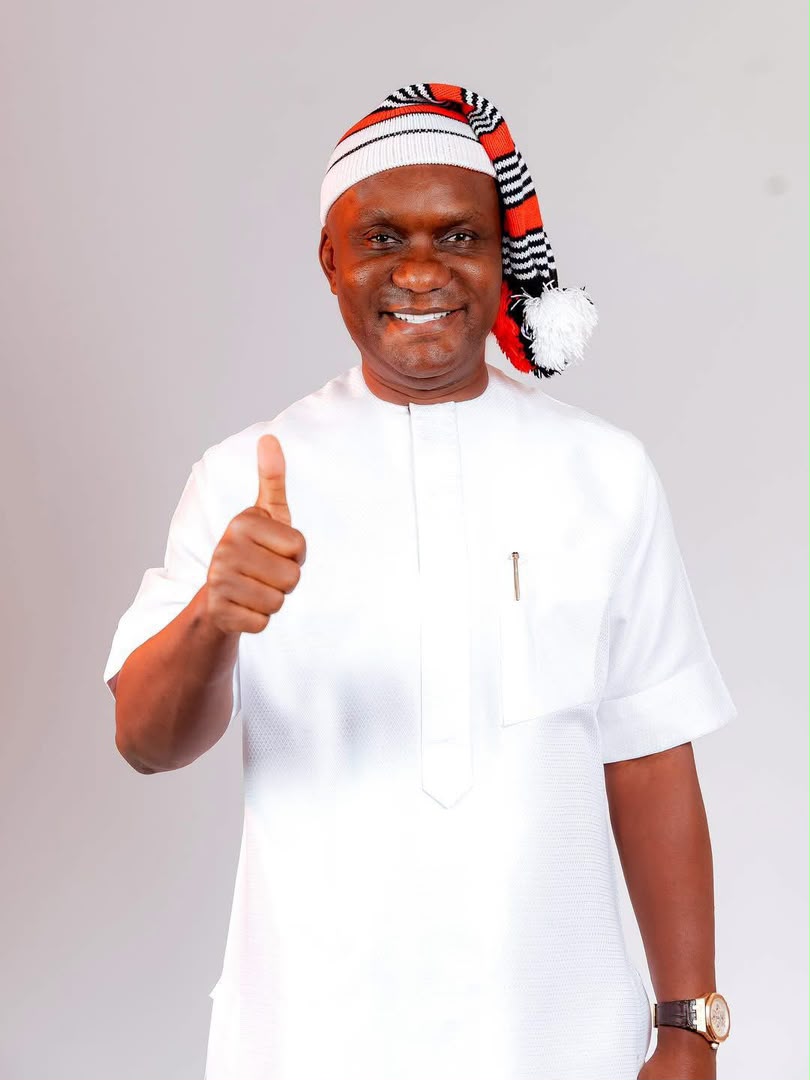
By Henry Onyema Madubuike
In the crowded marketplace of politics, promises are cheap. What endures is what people can see, feel, and live with. For the people of Ikwuano/Umuahia North/Umuahia South Federal Constituency, that enduring proof has a name: the Direct Touch Initiative of Rt. Hon. Chinedum Enyinnaya Orji.
Birthed in 2015 when Chinedum Enyinnaya Orji first took his seat in the Abia State House of Assembly, Direct Touch was never conceived as a campaign slogan. It was conceived as a covenant — that leadership must reach the people directly, without bottlenecks, without intermediaries.
The name itself tells the story. “Direct Touch” was drawn from the simple observation that development only becomes real when it touches a life: a borehole in a village that finally has clean water, a transformer that restores light to a market, a young person who learns a trade and feeds a family.
From 2015, the Initiative moved quickly from idea to action. Water boreholes and reticulation projects began appearing in communities. Schools received reroofing, fencing, modern toilets, and regrassing. Health centres were renovated and equipped. These were not headline projects designed for ribbon-cutting; they were necessities designed for daily living.
Education was placed at the centre of Chinedum Orji’s vision. Scholarships were given to indigent students who otherwise would have dropped out. Free eye medical outreaches restored sight and dignity to constituents who had lived in dimness for years. The message was clear: no child, no elder, should be left behind because of lack.
The most visible arm of Direct Touch has been its work with youths and women. In a region where idleness breeds frustration, the Initiative chose productivity. Through partnerships, including a 2-month intensive ICT training for 300 youths in Umuahia with Naprima Technology Limited, young people were introduced to digital skills as a path to revenue and employment.
Beyond training, there was capital. Beneficiaries of skills programs in beauty, soap making, phone repair, shoe production, paints, detergents, and snacks did not just graduate with certificates. They graduated with startup tools: sewing machines, grinding machines, generators, cash, tricycles, and barbing clippers.
That is how stories like Mrs Oluebube Agwu’s emerged. Trained under Direct Touch in “total beauty concepts” and business management, she now runs outlets in Aba, Umuahia and Ohafia, employing at least 5 staff per location and training tens of apprentices. One intervention, multiplied into many livelihoods.
The Initiative also understood that empowerment without infrastructure is incomplete. Electricity transformers were delivered to communities. Mini stadiums were built in Isieke, St Stephen’s Primary School, Umuahia, Ubakala, Olokoro, Ikwuano and Umuopara. Roads were attracted and constructed. These projects knitted communities together.
Between 2015 and 2023, during his tenure as a member and later as the 11th Speaker of the Abia State House of Assembly, Direct Touch became institutional under Chinedum Enyinnaya Orji. It was no longer a personal charity. It became a system for identifying need and meeting it swiftly.
What set Direct Touch apart was its philosophy: philanthropy with conviction. The conviction that when you invest directly in a person, that person invests back in the community. When you give a woman a trade, she trains others. When you give a youth ICT skills, he becomes an employer.
That conviction earned the Initiative recognition far beyond Abia. The City Boy Movement, while unveiling Orji as its Abia State Patron, specifically cited Direct Touch as a key factor. It was proof of grassroots reach, of a leader who had already been tested in the field of service.
The humanitarian core of the program has always been proximity. Beneficiaries often say the same thing: “They picked us from all parts of Abia State — youths who had been written off.” Direct Touch found those written off, and wrote them back into the economy.
It is important to note that the work did not stop when titles changed. Even after his father left office as governor, Chinedum Orji sustained the Initiative, teaching resource management and business sustainability alongside skills. The goal was never dependence. The goal was independence.
By 2026, the tally is not just in items distributed. It is in businesses opened, apprentices trained, schools rehabilitated, water flowing, and lights on. It is in the quiet dignity of a family that now eats three times a day because a mother has a trade.
As we look toward 2027, the question before Ikwuano/Umuahia North/Umuahia South is not whether service has been rendered. The question is where that service can go next, with a bigger mandate and a bigger platform.
A federal constituency needs federal presence: more tertiary scholarships, larger ICT hubs, SME funding at scale, primary healthcare upgrades, and federal road and water projects. Direct Touch, tested at state level since 2015 by Chinedum Enyinnaya Orji, provides the template for that scale-up.
The Initiative’s DNA is already federal in spirit. It crosses local government boundaries. It treats Ikwuano, Umuahia North and Umuahia South as one human community with shared challenges and shared solutions.
Representation at the National Assembly is ultimately about two things: bringing resources home, and ensuring those resources touch people directly. That is precisely what Direct Touch has done for a decade under Orji’s leadership.
To expand it to federal scope would mean more partnerships, more funding streams, and more direct interventions — from agricultural value chains to tech incubation centres, from women’s cooperatives to youth startup grants. The machinery already exists. The trust already exists.
The people have watched this work for ten years. They have seen the boreholes, the classrooms, the businesses, the light. In politics, reciprocity is not a transaction. It is a response to consistent care. And the care, through Direct Touch, has been consistent.
Direct Touch is more than a program. It is Chinedum Enyinnaya Orji’s promise kept. As 2027 approaches, Ikwuano/Umuahia North/Umuahia South has the opportunity to elevate that promise — to send to Abuja a representative whose humanitarian record is not aspirational, but documented. A representative whose strongest conviction has always been this: when you touch the people directly, the people will touch the future back.
HENRY ONYEMA MADUBUIKE is a Public Affairs Analyst and Convenes the Centre for Excellence and Performance in Governance [CEPG]

For publication of your news content, articles, videos or any other news worthy materials, please send to newsleverage1@gmail.com. For more enquiry, please call +234-901-067-1763 or whatsapp +234-901-067-1763. To place an advert, please call 09010671763


Comr. Amos Kalu, OHAFIATV Publisher Appointed Assistant Director Of Publicity Of OTTIMANIA Legacy Movement

Uche Ogah Delivers Global Keynote at Innovate Africa Conference in Rwanda

Chinedum Orji Vows to Take Dividends of Democracy to Every Village in Ikwuano/Umuahia

2027: Tinubu or Adebayo? Nigeria’s Choice Between Political Continuity and National Redemption

2027: Chidi Nnamdi Offers New Direction for Obingwa/Osisioma/Ugwunagbo – New Direction Agenda 2027

Otti Urges Presco to Begin Agro-Industrial Investment at Ulonna Farm Settlement

Hon. Chidi Nnamdi Attends NDA Meeting, Pledges Continued Support to the Association

2027: Nigerians Must Reject Propaganda, Demand Accountability – Otunba Babatunde Olushola Senbanjo

Comatose Representation Cannot Be Covered with Noise – Mandate 27 Challenges Aguocha

Bricklayers Arrested Over Alleged Attempt to Bury Little Girl

Ikeji Aro 2026 on Avor Osu Day: Nkita Oku, Inum, Ekpe Erim, Other Ekpo Masquerades Pay Homage to Eze Eberechukwu Oji

97-Year-Old Dr Mrs. Shields Reconstructs, Reopens Mary Slessor Library in Arochukwu

2027: Hon. Ike Bishop Okoronkwo Mobilises Abia North Grassroots, Tasks ADC Coordinators on Polling Units

Cardinal Onaiyekan: Governor Alia Was Suspended for Defying Catholic Church Rules on Politics

Eze Eberechukwu Oji Commissions Amuvi Community Self-Built Connectivity Hub

Eze Eberechukwu Oji Receives New Book on Arochukwu’s Cultural Heritage, Eulogizes Author

‘We Will, We Will, We Will’: Atiku Slams Tinubu Over Promises, Questions Achievements After Three Years

Leave Chidi Nnamdi Alone, Earn the People’s Trust – New Direction Agenda

NIGERIA at 66: What is the Way Forward? – Otunba Babatunde Olushola Senbanjo Calls for Rescue, Rebuild and Restore the Nation

“Tinubu Must Go”: Otunba Babatunde Olushola Senbanjo Accuses President of Constitutional Breach Over 21-Day Absence

The final 6 ‘Game of Thrones’ episodes might feel like a full season
New Season 8 Walking Dead trailer flashes forward in time
Mod turns ‘Counter-Strike’ into a ‘Tekken’ clone with fighting chickens
Meet Superman’s grandfather in new trailer for Krypton
Disney’s live-action Aladdin finally finds its stars
Who are the early favorites to win the NFL rushing title?
The old and New Edition cast comes together to perform
Boxing continues to knock itself out with bewildering, incorrect decisions
Steph Curry finally got the contract he deserves from the Warriors
Phillies’ Aaron Altherr makes mind-boggling barehanded play
-
 Abia State News3 weeks ago
Ikeji Aro 2026 on Avor Osu Day: Nkita Oku, Inum, Ekpe Erim, Other Ekpo Masquerades Pay Homage to Eze Eberechukwu Oji
-
 Abia State News3 weeks ago
97-Year-Old Dr Mrs. Shields Reconstructs, Reopens Mary Slessor Library in Arochukwu
-
 POLITICS3 weeks ago
2027: Hon. Ike Bishop Okoronkwo Mobilises Abia North Grassroots, Tasks ADC Coordinators on Polling Units
-
 NATIONAL NEWS1 week ago
Cardinal Onaiyekan: Governor Alia Was Suspended for Defying Catholic Church Rules on Politics
-
 Abia State News3 weeks ago
Eze Eberechukwu Oji Commissions Amuvi Community Self-Built Connectivity Hub