
Articles
Verify Before You Amplify: Combating Misinformation and Disinformation – Nneka Torti

By Nneka Torti
Over the years, misinformation and disinformation have become deeply interwoven into our culture. From WhatsApp broadcasts forwarded across different platforms to individuals with damaging content that often incites fear, to posts shared on Facebook with strict instructions to “share and tag others,” false information spreads rapidly.
Oftentimes, we see people complying with these directives with the sole intention of protecting their loved ones from circumstances they believe may cause harm.
Though often spread innocently, misinformation has become so widespread that it is increasingly difficult to distinguish the truth from falsehood.
In fact, when a lie is repeated consistently and circulated widely, it gradually begins to sound like the truth. Some people argue that nothing can make them believe false information, but when a narrative is repeatedly presented over time, it can gradually influence opinions until they completely change.
No one deliberately sets out to believe false information.
The worst form, however, is disinformation, the deliberate creation and dissemination of false information. It has fueled violence, hatred, and even wars in countries that were once peaceful.
Yes, truth is sometimes viewed through different perspectives, but ideology influences how people interpret information. Background, upbringing, and exposure shape people’s beliefs and often determine how they respond to information.
Have you ever wondered what happens when false information is deliberately pushed into the public space?
Have you ever wondered how disinformation and misinformation are countered?
Countering disinformation is very expensive. Media consultants are hired, and various media platforms are engaged to promote factual narratives that can counter falsehoods. This does not come at a small cost and often do not have the same reach and view as disinformation.
This means that the best way to combat disinformation is to prevent its spread in the first place.
In our society today, especially as elections approach, the effects of disinformation are enormous. We already live in a volatile environment, and all it takes for tensions to escalate into full-blown conflict is a carefully planned campaign of disinformation.
An arms dealer will always benefit from instability because conflict creates a market for weapons.
Likewise, anyone who benefits from a particular position or agenda will always seek opportunities to protect or advance their interests.
Disinformation during election periods compromises the principles of free and fair elections, distorts the information ecosystem, undermines democratic processes, and increases polarization and hate speech.
Therefore, every individual, particularly media professionals, has a role to play in ensuring that we do not destroy the only country we have.
I say every individual because, in this digital age, everyone is now a publisher, whether on social media or through a website. Whenever something happens, people instinctively bring out their phones to record and share it. That places a responsibility on each person to fact-check information before publishing it.
Having said that, it is necessary for media professionals to provide balanced and factual reporting, debunk false claims, hold institutions accountable, and amplify only credible sources.
As media professionals, we have access to the official accounts of government institutions. It is important to verify information through their official pages on X, Facebook, Instagram, Threads, and other platforms before making a post. Always be certain of the authenticity of information before clicking “Post.”
In the race to be the first to publish, do not become the first to push the country into chaos.
So, how can you identify misleading posts? Consider claims such as “your vote will not count.” Such messages only succeed in discouraging voter participation. Because this narrative has been amplified repeatedly over time, many people now believe it. However, one important question to ask is: If votes do not count, why do politicians spend so much effort and resources trying to buy them?
Political actors may also attempt to influence voters through false information about electoral procedures and protocols, misleading claims about voter turnout, or even falsified documents purportedly issued by the Electoral Commission. This is not limited to any particular political party; it is a challenge that can arise across the political spectrum.
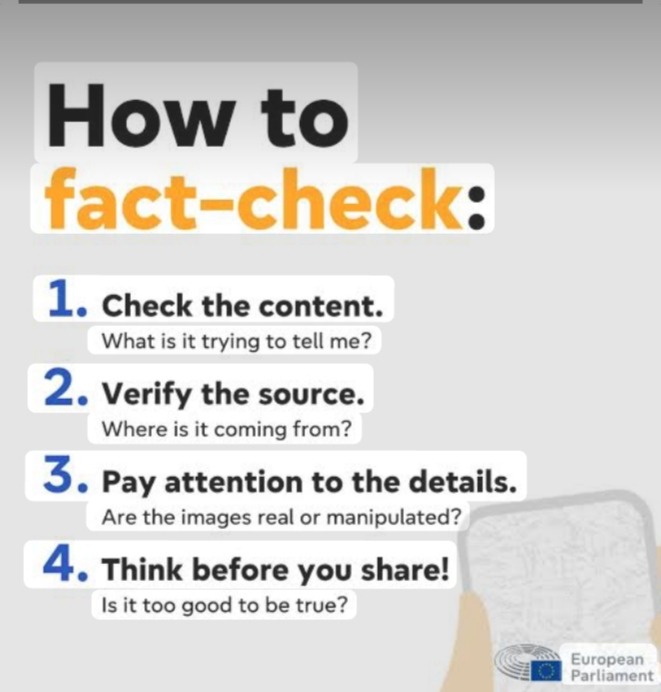
Therefore, every piece of information should be fact-checked using available verification tools such as Open Source Intelligence (OSINT) tools, Advanced Google Search Operators, the Meta Content Library, Image Whisperer, FotoForensics, and many other digital verification tools that can reveal more information about images, videos, and text.
Don’t be a tool for chaos. Instead, be an ambassador for fact-checking so #checkbeforeyoupost.

For publication of your news content, articles, videos or any other news worthy materials, please send to newsleverage1@gmail.com. For more enquiry, please call +234-901-067-1763 or whatsapp +234-901-067-1763. To place an advert, please call 09010671763





MOUAU Denies Attempt To Sack Council Members, Says Their Tenure Expired

Sowore as Best President Nigeria Refuses to Have – Kperogi

NHRC Investigates Deaths of 37 Suspected Miners in NSCDC Custody

Hon. Chidi Nnamdi Pledges People-Centred Development for Obioma-Ngwa Constituency

‘We Won’t Allow Wike to Use APC To Build His Party’ – Farouk Aliyu

Dangote Refinery IPO Success Linked To Deregulation, Subsidy Removal – Lokpobiri

Sanusi: Nigeria’s 200m Population Is a Huge Market, Dangote Chose to Produce for It

Ikeji-Aro 2026: ‘We Are Repackaging Aro Traditional Healing Practices for the Younger Generation’ – Mazi Ernie Onwumere

Jibrin: Tinubu Will Secure At Least 65% of Votes in 2027, Kano Will Be Delivered to APC

2027: Bourdex Unveils Plan to Transform Healthcare, Unlock Federal Opportunities in Abia North

Tinubu: ‘Senator, We Are Not With You’ – Community Tells Senator Ohuabunwa

NDC Notified Benue Police Ahead of Peter Obi’s Visit, Document Shows

35 Years After Kirikiri Release, Abdul Mahmud Remembers Bamidele Aturu, Says ‘The Struggle Remains Unfinished’

Ibeku Traditional Rulers Endorse Chinedum Orji for Ikwuano/Umuahia Federal Constituency

Tension in Benue as Peter Obi’s Blocked Convoy Leads to Protest

Abia Govt Explains Teacher Recruitment Process, Discloses Number of Candidates Who Scored Over Benchmark

Iwa Ji Festival: Ikuku’s Cultural Connection With Ibeku People Signals Strong Constituency Bond – Group

APC Sanctuary: How the Ruling Party Became Nigeria’s Governance Virus – Otunba Babatunde Olushola Senbanjo

Ikeji-Aro 2026: CPC Chairman Elekwa Explains ‘Aro Renaissance’ Theme, Reveals Plans to Preserve Cultural Heritage
Ikeji-Aro 2026: ‘We Are Repackaging Aro Traditional Healing Practices for the Younger Generation’ – Mazi Ernie Onwumere

The final 6 ‘Game of Thrones’ episodes might feel like a full season
New Season 8 Walking Dead trailer flashes forward in time
Mod turns ‘Counter-Strike’ into a ‘Tekken’ clone with fighting chickens
Meet Superman’s grandfather in new trailer for Krypton
Disney’s live-action Aladdin finally finds its stars
Who are the early favorites to win the NFL rushing title?
The old and New Edition cast comes together to perform
Boxing continues to knock itself out with bewildering, incorrect decisions
Steph Curry finally got the contract he deserves from the Warriors
Phillies’ Aaron Altherr makes mind-boggling barehanded play
-
 POLITICS2 weeks ago
Tinubu: ‘Senator, We Are Not With You’ – Community Tells Senator Ohuabunwa
-
 NATIONAL NEWS2 weeks ago
NDC Notified Benue Police Ahead of Peter Obi’s Visit, Document Shows
-
 Articles3 weeks ago
35 Years After Kirikiri Release, Abdul Mahmud Remembers Bamidele Aturu, Says ‘The Struggle Remains Unfinished’
-
 POLITICS3 weeks ago
Ibeku Traditional Rulers Endorse Chinedum Orji for Ikwuano/Umuahia Federal Constituency
-
 NATIONAL NEWS2 weeks ago
Tension in Benue as Peter Obi’s Blocked Convoy Leads to Protest