
Articles
This Will Not End Well for South Africa – Abdul Mahmud

By Abdul Mahmud
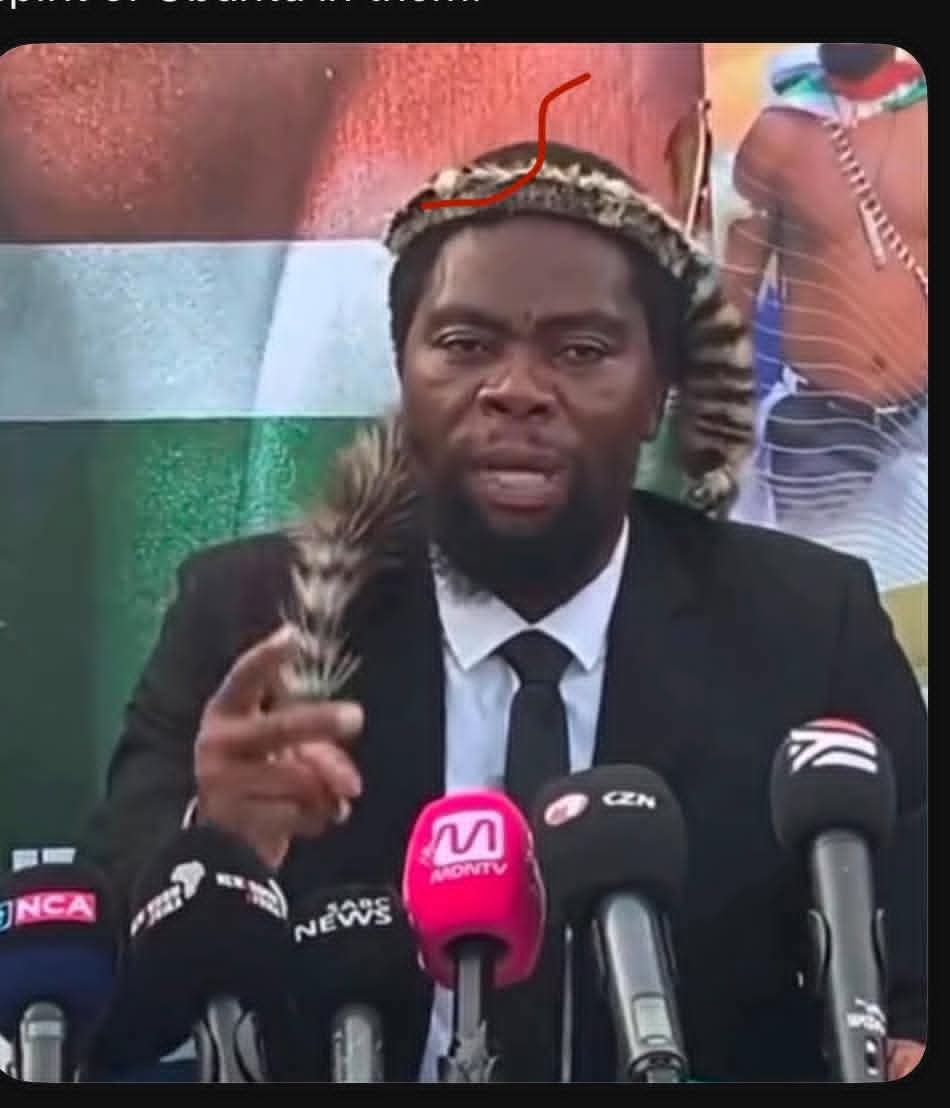
The 30 June deadline issued by the Afrophobic marchers in South Africa to African migrants to leave South Africa has now passed into history. History will remember the infamy of those who turned on their fellow Africans, looted their shops, terrorised entire communities, and forced many to flee South Africa with nothing but their lives and painful stories of a nation that once proudly called itself the Rainbow Nation. Official silence and ritual condemnations have done little to erase the memory of repeated attacks that have scarred countless African migrants, Nigerians included. For Nigerians, these recurring episodes of Afrophobia are no longer isolated outbreaks of mob violence; they have become part of a dangerous historical pattern. Each cycle of attacks, followed by familiar promises of investigations and assurances that the violence does not reflect official government policy, only deepens the conviction that African solidarity has become an empty slogan.
Across Nigeria, public patience with diplomatic caution is rapidly evaporating. It is against this backdrop that Senator Adams Oshiomhole’s call for retaliatory measures against South African companies operating in Nigeria must be understood. Remarks that might once have been dismissed as political grandstanding now resonate with a broad section of the public because they express accumulated anger rather than momentary outrage. History teaches that when grievances are ignored for too long, they eventually acquire the force to shape political action. South African businesses have flourished in Nigeria for decades. MTN built one of the largest telecommunications operations on the continent and has invested billions of dollars in the Nigerian market. MultiChoice turned DStv and GOtv into household names. Stanbic IBTC became a major player in banking and financial services through its connection to South Africa’s Standard Bank Group. Protea Hotels established some presence in the hospitality sector. South African retail and consumer brands have also operated in Nigeria at different periods. These businesses arrived in Nigeria because they found a large market, substantial profits, and an environment that welcomed foreign investments. They benefited from the openness of a country whose government and citizens played a significant role in supporting the anti-apartheid struggle when South Africa was isolated from much of the world.
Many Nigerians increasingly ask the simple question: how long can economic hospitality survive repeated images of Nigerians being hunted, beaten, or killed in South African streets?
Nobody should underestimate the political consequences of that question.
History offers several warnings. The anti-Asian expulsions in Uganda under Idi-Amin produced economic and diplomatic consequences that damaged Uganda’s international standing for years. The anti-Chinese riots that erupted in Indonesia during the dying days of the Suharto era reshaped social relations and left scars that remain visible decades later. In many parts of the world, violence directed at minority communities eventually provoked commercial boycotts, retaliatory campaigns, diplomatic disputes, and long-term reputational damage. Economic relationships depend on confidence; but confidence disappears when citizens begin to associate foreign-owned businesses with a country perceived as hostile to their compatriots. Nigeria already witnessed a glimpse of what retaliation could look like during previous outbreaks of xenophobic violence. Demonstrators targeted South African-linked businesses, but security agencies had to protect some commercial locations from attacks.
The anger was real, even if it eventually subsided.
Future retaliations which may unfold differently will not end well for South Africa.
The next major Afrophobic episode in South Africa could trigger coordinated consumer boycotts, and even violent attacks on its economic interests everywhere when politicians discover electoral advantages in demanding punitive measures, trade unions pressure governments to review bilateral arrangements, activist groups organise campaigns against prominent South African brands, and social media amplify every incident within minutes. In such a climate, companies like MTN, MultiChoice, Stanbic IBTC, Protea Hotels, and other South African-linked businesses could become symbols in a conflict they did not create. Their offices, retail outlets, infrastructure, and public image would carry the burden of public anger directed at South Africa.
This possibility should concern business leaders in Johannesburg far more than quarterly earnings reports.
Corporate investments do not exist in isolation from politics. They rely on goodwill. Once that goodwill evaporates, even profitable businesses become vulnerable. South Africa faces a deeper challenge than the protection of foreign nationals, as is the question of what kind of continental leadership it seeks to exercise in the coming decades. The country possesses considerable economic influence, with its banks, telecommunications firms, retailers, mining companies, media corporations, and investment houses operating across Africa. Such influence carries obligations. A state that aspires to continental leadership cannot repeatedly witness attacks against fellow Africans without suffering reputational consequences.
The consequences extend beyond Nigeria. Ghanaians, Zimbabweans, Malawians, Ethiopians, Somalis, Mozambicans, Congolese, and many others who are today the victims of the mindless mobs in South Africa are watching and considering the next steps for the future. After all, what once appeared as isolated anger now resembles a growing reservoir of resentment waiting for a catalyst. Public sentiment across the continent is changing. Conversations on social media reveal a level of bitterness that would have been difficult to imagine twenty years ago.
South African policymakers still have an opportunity to prevent a future rupture through effective law enforcement and sustained political campaigns against Afrophobia. Diplomatic statements alone will not achieve that objective. The government in Pretoria must be told that history teaches that grievances rarely remain confined to the place where they originate. They travel across borders, enter public consciousness, influence political calculations, and reshape economic relationships. No nation repeatedly exports fear and expects to import goodwill forever.
Surely, this will not end well for South Africa.

For publication of your news content, articles, videos or any other news worthy materials, please send to newsleverage1@gmail.com. For more enquiry, please call +234-901-067-1763 or whatsapp +234-901-067-1763. To place an advert, please call 09010671763







Comatose Representation Cannot Be Covered with Noise – Mandate 27 Challenges Aguocha

Bricklayers Arrested Over Alleged Attempt to Bury Little Girl

Atiku Launches ‘Ask AA’ Portal for Direct Engagement With Nigerians

NAFDAC Seizes Counterfeit Alcoholic Beverage Packaging Materials Worth Over ₦200m in Aba

From Promises to Progress: New Direction Agenda 2027 Backs Chidi Nnamdi for Accountable Leadership

Abia City Boy Movement Congratulates Mayor Lucky Igbokwe On Appointment To APC Presidential Campaign Council

Abia NUJ Summons Emergency Congress Thursday Over Crucial Union Matters

Cybersecurity Month 2026: Mandate 27 Group Highlights Ikuku’s ICT Empowerment Record, Backs Orji for 2027
Atiku: Bola Made Life Expensive, I’ll Make Nigeria Affordable Again

Otunba Babatunde Olushola Senbanjo Condemns Tenebe’s Alleged Violent Rhetoric, Warns Against Normalising Political Intimidation

Ikeji Aro 2026 on Avor Osu Day: Nkita Oku, Inum, Ekpe Erim, Other Ekpo Masquerades Pay Homage to Eze Eberechukwu Oji

97-Year-Old Dr Mrs. Shields Reconstructs, Reopens Mary Slessor Library in Arochukwu

Ikeji-Aro 2026: ‘We Are Repackaging Aro Traditional Healing Practices for the Younger Generation’ – Mazi Ernie Onwumere

2027: Hon. Ike Bishop Okoronkwo Mobilises Abia North Grassroots, Tasks ADC Coordinators on Polling Units

Eze Eberechukwu Oji Commissions Amuvi Community Self-Built Connectivity Hub

Cardinal Onaiyekan: Governor Alia Was Suspended for Defying Catholic Church Rules on Politics

Obioma-Ngwa 2027: Chidi Nnamdi Pushes Case for Responsive Representation – Comrade Abuchi Isaac

‘We Will, We Will, We Will’: Atiku Slams Tinubu Over Promises, Questions Achievements After Three Years

Leave Chidi Nnamdi Alone, Earn the People’s Trust – New Direction Agenda

Eze Eberechukwu Oji Receives New Book on Arochukwu’s Cultural Heritage, Eulogizes Author

The final 6 ‘Game of Thrones’ episodes might feel like a full season
New Season 8 Walking Dead trailer flashes forward in time
Mod turns ‘Counter-Strike’ into a ‘Tekken’ clone with fighting chickens
Meet Superman’s grandfather in new trailer for Krypton
Disney’s live-action Aladdin finally finds its stars
Who are the early favorites to win the NFL rushing title?
The old and New Edition cast comes together to perform
Boxing continues to knock itself out with bewildering, incorrect decisions
Steph Curry finally got the contract he deserves from the Warriors
Phillies’ Aaron Altherr makes mind-boggling barehanded play
-
 Abia State News3 weeks ago
Ikeji Aro 2026 on Avor Osu Day: Nkita Oku, Inum, Ekpe Erim, Other Ekpo Masquerades Pay Homage to Eze Eberechukwu Oji
-
 Abia State News3 weeks ago
97-Year-Old Dr Mrs. Shields Reconstructs, Reopens Mary Slessor Library in Arochukwu
-
 Abia State News4 weeks ago
Ikeji-Aro 2026: ‘We Are Repackaging Aro Traditional Healing Practices for the Younger Generation’ – Mazi Ernie Onwumere
-
 POLITICS3 weeks ago
2027: Hon. Ike Bishop Okoronkwo Mobilises Abia North Grassroots, Tasks ADC Coordinators on Polling Units
-
 Abia State News3 weeks ago
Eze Eberechukwu Oji Commissions Amuvi Community Self-Built Connectivity Hub