
Articles
Politics is not Warfare – Otunba Babatunde Olushola Senbanjo


By Otunba Babatunde Olushola Senbanjo (BOS)
It is deeply troubling, shocking, and completely unacceptable for any political leader especially one occupying a high public office to wish *death* upon fellow politicians simply because they hold opposing views or are accused of “ *betrayal*. ”Politics is not warfare. It is not a battlefield where enemies must be eliminated. It is a democratic space designed for dialogue, disagreement, negotiation, and healthy competition of ideas.
When a public figure like Nyesom Wike, who has served as governor and now holds a ministerial position, makes statements that can be interpreted as wishing death on political opponents, it sends a dangerous signal to the public. Words from leaders carry weight. They shape public attitudes. They influence supporters. They can calm tensions or ignite them.
Nigeria is already facing enormous political, economic, and security challenges. What the country needs at this moment is unity, maturity, and responsible leadership not rhetoric that deepens division and encourages hostility. Political disagreements are normal in a democracy. Allegations of betrayal are common in political circles. But the appropriate response is dialogue, accountability, or strategic repositioning not inflammatory comments that suggest harm or death.
Leaders must remember that their statements are not made in isolation. Nigeria has a history of political violence, and careless language can embolden extremists or overzealous supporters. When leaders speak recklessly, it lowers the standard of political engagement and creates a culture of intimidation and fear.
If someone feels betrayed politically, there are constitutional mechanisms and democratic processes to address it. Elections exist for a reason. Party structures exist for a reason. The rule of law exists for a reason. Resorting to hostile rhetoric diminishes the dignity of public office and undermines the democratic values we claim to uphold.
Furthermore, wishing death on anyone regardless of political differences contradicts the moral and ethical responsibility of leadership. Public office holders should embody restraint, wisdom, and composure. They should rise above emotions, not amplify them.
Nigeria’s democracy is still evolving. It requires leaders who promote tolerance, respect diverse opinions, and strengthen institutions. Political rivalry should never descend into personal hostility or threats. Our political culture must move away from bitterness and vengeance toward accountability, service, and nation-building.
This is not about defending any so-called “betrayal.” It is about defending democratic principles and human dignity. No political disagreement justifies language that normalises harm.
At this critical point in our national journey, leaders must choose their words carefully. They must remember that power is temporary, but the consequences of reckless speech can be lasting. Nigeria deserves better –
better discourse, better leadership, and better examples from those entrusted with authority.
Political disagreements should be resolved at the ballot, through policy debates, and within party structures not through statements that imply death or destruction. Democracy thrives on competition, not intimidation.
Nigeria must rise above the politics of anger and embrace the politics of responsibility.

For publication of your news content, articles, videos or any other news worthy materials, please send to newsleverage1@gmail.com. For more enquiry, please call +234-901-067-1763 or whatsapp +234-901-067-1763. To place an advert, please call 09010671763




Abia Specialist Hospital Performs First Major Brain Surgery on 19-Year-Old Accident Victim

2027: Bourdex Questions ₦14.28bn Abia North Constituency Allocations Under Orji Kalu

Hon. Chidi Nnamdi Consults Prince K. O. Mgbeahuru in Osisioma, Seeks Support for 2027 Bid

2027: INEC Warns Against Private Declaration of Election Results, Says Commission Has Exclusive Authority

“Champion Political Evangelism” – Hon. Chidi Nnamdi Says, Inaugurates Community Youth and Women Leaders Across 69 Obingwa Communities

2026 Teachers’ Day: Otti Approves N1bn Appreciation Fund, Orders Payment of Outstanding Teachers’ Dues

2027: Mandela Obasi Backs Bourdex for Senate, Mobilizes Ohafia North for Labour Party Victory

Otti Inaugurates 2027 LP Campaign Council, Charges Members to Mobilise from Polling Units

World Teachers’ Day: Chinedum Orji Celebrates Teachers as Builders of the Future

Senate Struggles for Independence, Uncertain Whether It Represents Tinubu or People – Datti Baba-Ahmed

Tinubu: ‘Senator, We Are Not With You’ – Community Tells Senator Ohuabunwa

NDC Notified Benue Police Ahead of Peter Obi’s Visit, Document Shows

Ikeji Aro 2026 on Avor Osu Day: Nkita Oku, Inum, Ekpe Erim, Other Ekpo Masquerades Pay Homage to Eze Eberechukwu Oji

Tension in Benue as Peter Obi’s Blocked Convoy Leads to Protest

97-Year-Old Dr Mrs. Shields Reconstructs, Reopens Mary Slessor Library in Arochukwu

Ikeji-Aro 2026: ‘We Are Repackaging Aro Traditional Healing Practices for the Younger Generation’ – Mazi Ernie Onwumere

2027: Hon. Ike Bishop Okoronkwo Mobilises Abia North Grassroots, Tasks ADC Coordinators on Polling Units

Ikeji-Aro 2026: CPC Chairman Elekwa Explains ‘Aro Renaissance’ Theme, Reveals Plans to Preserve Cultural Heritage

APC Sanctuary: How the Ruling Party Became Nigeria’s Governance Virus – Otunba Babatunde Olushola Senbanjo

Eze Eberechukwu Oji Commissions Amuvi Community Self-Built Connectivity Hub

The final 6 ‘Game of Thrones’ episodes might feel like a full season
New Season 8 Walking Dead trailer flashes forward in time
Mod turns ‘Counter-Strike’ into a ‘Tekken’ clone with fighting chickens
Meet Superman’s grandfather in new trailer for Krypton
Disney’s live-action Aladdin finally finds its stars
Who are the early favorites to win the NFL rushing title?
The old and New Edition cast comes together to perform
Boxing continues to knock itself out with bewildering, incorrect decisions
Steph Curry finally got the contract he deserves from the Warriors
Phillies’ Aaron Altherr makes mind-boggling barehanded play
-
 POLITICS4 weeks ago
Tinubu: ‘Senator, We Are Not With You’ – Community Tells Senator Ohuabunwa
-
 NATIONAL NEWS4 weeks ago
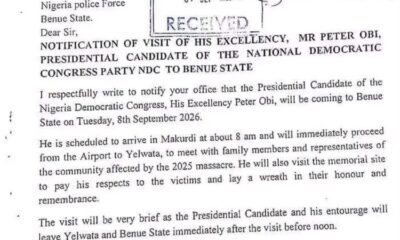
NDC Notified Benue Police Ahead of Peter Obi’s Visit, Document Shows
-
 Abia State News2 weeks ago
Ikeji Aro 2026 on Avor Osu Day: Nkita Oku, Inum, Ekpe Erim, Other Ekpo Masquerades Pay Homage to Eze Eberechukwu Oji
-
 NATIONAL NEWS4 weeks ago
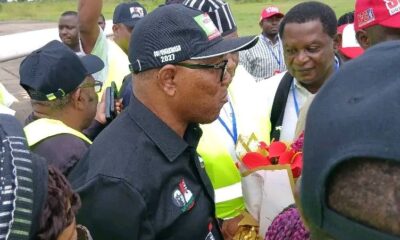
Tension in Benue as Peter Obi’s Blocked Convoy Leads to Protest
-
 Abia State News1 week ago
97-Year-Old Dr Mrs. Shields Reconstructs, Reopens Mary Slessor Library in Arochukwu