
Articles
Obi: Counting the Counters – Abdul Mahmud


By Abdul Mahmud
When Peter Obi stood before a crowd in Akwa Ibom and declared that anyone who refuses to count votes in 2027 “we will count the person join”, he was not merely playing to the gallery.
He was channelling the anxieties of Nigerians who have been short-changed by those charged with maintaining the health of Nigerian democracy. He was articulating a grievance that has become almost generational. He was speaking to a country where electoral memory is bruised and trust in institutions is thin. The line is sharp. It is deliberately ambiguous. It straddles the thin boundary between metaphor and menace. And that is precisely why it demands interrogation. Nigeria’s electoral history is littered with controversy.
Electronic transmission of results glitched. Ballot boxes have vanished. Results have been rewritten. Mandates have been judicially rearranged. Citizens have queued under the sun only to watch their will dissolve into nothingness. In such a climate, the promise that votes must be counted is not revolutionary. It is foundational.
Democracy stands or falls on that simple arithmetic.
Yet, Obi’s statement does more than insist on accountability. It introduces a clear and urgent warning, even if conditional. If you refuse to count citizens’ votes, they will count you. The language shifts the focus from institutional correction to personal consequence. It frames electoral malpractice not simply as a technical failure but as an act that invites reckoning. But, we must understand the emotional reservoir from which such rhetoric proceeds.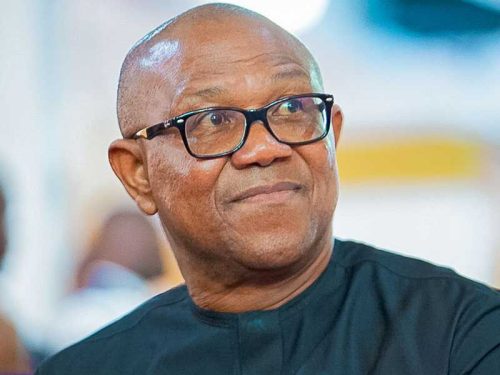
The 2023 elections deepened mistrust among many of his supporters. They believe INEC stole their ballots. They believe accountability was turned on its head. In that context, the warning is less about violence than about vigilance. It is the language of resistance from a movement that feels shortchanged. Still, words matter. Political leaders do not speak into a vacuum. In a country already tense with ethnic suspicion, economic hardship, and youth frustration, rhetoric can either discipline anger or give force to it.
There is a historical parallel worth recalling here. During the darkest days of apartheid in South Africa, Winnie Mandela uttered words that would echo infamously across the world. With our boxes of matches and our necklaces, we shall liberate this country. The reference was to the brutal practice of necklacing, placing a petrol-soaked tyre around a suspected collaborator and setting it alight. It was the language of fury in a time of systemic oppression. It electrified some. It horrified others. It revealed the combustible intersection between righteous struggle and moral peril.
The contexts are different. Nigeria in 2026 is not apartheid South Africa. Its elections, flawed as they are, aren’t conducted under a regime of racial subjugation. Obi is not calling for physical violence. His words are elliptical. They carry the cadence of metaphor rather than the clarity of instruction. Still, the comparison is instructive for one reason. It shows how easily resistance rhetoric can slide toward vigilantism when institutions fail.
When citizens lose faith in an electoral system that can’t correct itself, they begin to imagine corrective justice outside the system. That is the most dangerous portent embedded in Obi’s statement. It is not the threat itself. It is the assumption beneath it. The assumption that formal accountability mechanisms may not work.
The real indictment in his words is therefore not against electoral officers alone. It is against the architecture of accountability in Nigeria. If people believed that any official who refused to count votes would face swift legal consequences, no politician would need to issue warnings from a podium. The courts would be trusted. The electoral commission would be respected. The police would be neutral. The warning would be unnecessary.
But Nigeria’s democratic experience has too often taught the opposite lessons. Electoral petitions drag on. Sanctions are rare. Courts are compromised. Administrative lapses are explained away. The message that filters down is corrosive. Power protects itself. Obi’s rhetoric thrives in that vacuum. It transforms legal failure into moral mobilisation. It signals to supporters that passivity is no longer an option. It reframes elections as a collective defence project rather than a bureaucratic exercise.
There is something undeniably democratic in that impulse. Citizens must guard their votes. Participation cannot end at the polling unit. Vigilance is the lifeblood of popular sovereignty. A democracy where people are indifferent to vote counting is already half dead. There is also a tightrope to be walked on here. Resistance must remain civil or it ceases to be democratic. The strength of a republic lies not in the fury of its crowds but in the reliability of its rules. When language suggests personal retribution, even metaphorically, it can inflame fringe elements who hear it as a licence to take laws into their hands. It can legitimise chaos.
To read Obi’s statement purely as a threat would be unfair and utterly irresponsible. It can just as plausibly be read as a vow of electoral vigilance. To count someone along may mean to document, to expose, to hold accountable through lawful means. It may mean political consequences rather than physical ones. It may be a warning that impunity will no longer be socially tolerated. Framed that way, the statement becomes less incendiary and more insurgent in a democratic sense. It says to electoral officials that their actions will not disappear into silence. It tells them that citizens are watching. It is resistance in the idiom of oversight. But for such resistance to stay noble, it must be tied to the law. Nigeria does not need to descend into the theatre of intimidation. It needs the discipline of institutions. It needs an electoral commission that is technologically credible and administratively transparent. It needs courts that deliver judgments without being compromised by powerful forces.
The greater danger is not that supporters will literally count errant officials. The greater danger is that the continued lack of accountability will radicalise political language in the polity. When trust erodes, rhetoric escalates. When rhetoric escalates, expectations harden. When expectations harden, compromise becomes betrayal.
Democracy dies not only through coups but through cumulative distrust. Each disputed election. Each unexplained glitch. Each unpunished infraction adds a layer of sediment to the river of cynicism. Eventually the river overflows.
Obi’s warning should therefore be heard as a civic alarm which reflects the unwillingness to accept electoral heist and exposes the fragility of public confidence in the electoral process. The solution is not to silence such rhetoric. It is to render it obsolete. The surest way to prevent talk of counting the counters is to ensure that votes are transparently counted in the first place. Accountability must be deliberate. Consequences must be legal, not rhetorical.
Nigeria stands at a familiar crossroads. It can treat statements like this as combustible provocation. Or it can treat them as evidence that citizens crave credible institutions. The choice will shape the tone of 2027. In the end, the health of a democracy is measured not by how loudly politicians warn but by how quietly institutions work.
If electoral officers know that integrity is enforced by law, not by crowds, then resistance rhetoric will lose its edge. Until then, the language of vigilance will continue to rise from podiums across the country. It will sound defiant. It will sound impatient. It will sound like citizens determined to be heard.
And perhaps that, more than the threat itself, is the truest message embedded in Obi’s words.

For publication of your news content, articles, videos or any other news worthy materials, please send to newsleverage1@gmail.com. For more enquiry, please call +234-901-067-1763 or whatsapp +234-901-067-1763. To place an advert, please call 09010671763





“Why are Igbos Represented by Minorities” – Uzodinma Questions

NIGERIA at 66: What is the Way Forward? – Otunba Babatunde Olushola Senbanjo Calls for Rescue, Rebuild and Restore the Nation

Nwifuru: We Won’t Spend Money Paying TV Houses, Influencers to Cover Project Commissioning

Otunba Babatunde Olushola Senbanjo Celebrates Princess Odo Modester Ebere on Birthday

66th Independence Anniversary: Chinedum Orji Calls for Unity, Justice, Prosperity

‘We Will, We Will, We Will’: Atiku Slams Tinubu Over Promises, Questions Achievements After Three Years

Independence Day: Ogah Hails Nigerians, Calls for Unity, Patriotism and National Progress

66 Years of Independence: Otunba Babatunde Olushola Senbanjo Calls for Rejection of APC in 2027, Says Nigeria Must Reclaim Its Promise

Nigeria at 66: Hon. Chidi Nnamdi Calls for Responsible Representation, Stronger Institutions

Tinubu: Nigeria Has Passed Through Its Own Red Sea, Prosperity Is Next

Tinubu: ‘Senator, We Are Not With You’ – Community Tells Senator Ohuabunwa

NDC Notified Benue Police Ahead of Peter Obi’s Visit, Document Shows

Ikeji Aro 2026 on Avor Osu Day: Nkita Oku, Inum, Ekpe Erim, Other Ekpo Masquerades Pay Homage to Eze Eberechukwu Oji

Tension in Benue as Peter Obi’s Blocked Convoy Leads to Protest

97-Year-Old Dr Mrs. Shields Reconstructs, Reopens Mary Slessor Library in Arochukwu

Ikeji-Aro 2026: ‘We Are Repackaging Aro Traditional Healing Practices for the Younger Generation’ – Mazi Ernie Onwumere

2027: Hon. Ike Bishop Okoronkwo Mobilises Abia North Grassroots, Tasks ADC Coordinators on Polling Units

Ikeji-Aro 2026: CPC Chairman Elekwa Explains ‘Aro Renaissance’ Theme, Reveals Plans to Preserve Cultural Heritage

APC Sanctuary: How the Ruling Party Became Nigeria’s Governance Virus – Otunba Babatunde Olushola Senbanjo

Obioma-Ngwa 2027: Chidi Nnamdi Pushes Case for Responsive Representation – Comrade Abuchi Isaac

The final 6 ‘Game of Thrones’ episodes might feel like a full season
New Season 8 Walking Dead trailer flashes forward in time
Mod turns ‘Counter-Strike’ into a ‘Tekken’ clone with fighting chickens
Meet Superman’s grandfather in new trailer for Krypton
Disney’s live-action Aladdin finally finds its stars
Who are the early favorites to win the NFL rushing title?
The old and New Edition cast comes together to perform
Boxing continues to knock itself out with bewildering, incorrect decisions
Steph Curry finally got the contract he deserves from the Warriors
Phillies’ Aaron Altherr makes mind-boggling barehanded play
-
 POLITICS3 weeks ago
Tinubu: ‘Senator, We Are Not With You’ – Community Tells Senator Ohuabunwa
-
 NATIONAL NEWS3 weeks ago
NDC Notified Benue Police Ahead of Peter Obi’s Visit, Document Shows
-
 Abia State News1 week ago
Ikeji Aro 2026 on Avor Osu Day: Nkita Oku, Inum, Ekpe Erim, Other Ekpo Masquerades Pay Homage to Eze Eberechukwu Oji
-
 NATIONAL NEWS3 weeks ago
Tension in Benue as Peter Obi’s Blocked Convoy Leads to Protest
-
 Abia State News6 days ago
97-Year-Old Dr Mrs. Shields Reconstructs, Reopens Mary Slessor Library in Arochukwu