
Cuisine & Restaurant
Mastering Corporate Evolution: A Guide to Rebranding and Ownership Changes

Mastering Corporate Evolution: A Guide to Rebranding and Ownership Changes
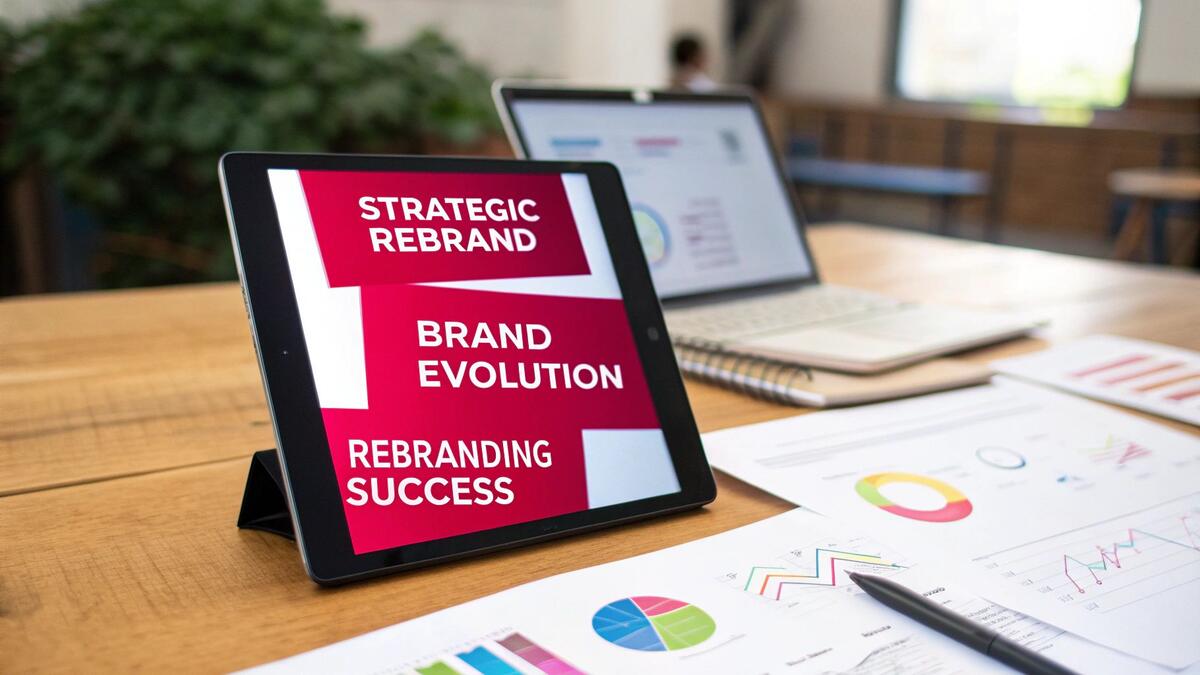
Business growth often requires major structural shifts. Two of the most powerful moves a company can make are rebranding and changing ownership. While they serve different operational purposes, both transitions completely reshape a company’s future. Successfully navigating these massive changes requires a clear strategy, strict legal compliance, and open communication.
Separating Identity from Control
It is vital to understand how these two corporate processes differ. Rebranding is an external transformation. It updates how a business connects with the outside world. Companies choose to rebrand to stay relevant, reach new audiences, or distance themselves from past mistakes. This process alters highly visible assets like logos, color schemes, marketing materials, and websites, alongside core messaging like mission statements.
In contrast, an ownership change is an internal, legal transformation. This occurs when a business is sold, merged with another entity, or handed down to new leaders. It alters who holds corporate equity, who makes top-tier decisions, and who claims the final profits. While a rebrand changes the public face of the company, an ownership change alters its structural backbone.
The Blueprint for a Successful Rebranding
Rebranding is much more than a simple graphic design project. It requires deep market research to ensure the new identity truly resonates with customers.
First, leaders must analyze competitor landscapes and customer data to find market gaps. Second, the creative phase begins, where design teams build a fresh visual language and brand voice. Finally, the public launch must be deliberate. Companies must explain exactly why the change happened to maintain consumer trust and prevent widespread customer confusion.
The Mechanics of Transferring Ownership
Changing corporate ownership is a strict legal and financial process. It demands total transparency to protect both buyers and sellers from future liability.
The journey always starts with thorough due diligence. Buyers review years of financial records, employee contracts, and tax histories to find hidden risks. Next comes the deal structuring phase, where parties choose between a stock purchase or an asset purchase agreement. Finally, legal teams file paperwork with government agencies to transfer titles, update corporate tax IDs, and formally reassign corporate governance.
Bridging the Gap Between Both Shifts
Though distinct, these two corporate forces frequently collide in the business world. New owners often rebrand a purchased company right away to signal a fresh era, align it with a parent corporation, or maximize market value before a future sale.
When executing either shift, clear communication is your ultimate tool for success. Staff members must understand their asuderestaurant.com new roles to reduce internal friction and anxiety. Customers must feel valued to preserve brand loyalty during the handover. By carefully managing the legal realities of ownership and the creative demands of branding, businesses can survive corporate evolution and unlock massive long-term growth.
For publication of your news content, articles, videos or any other news worthy materials, please send to newsleverage1@gmail.com. For more enquiry, please call +234-901-067-1763 or whatsapp +234-901-067-1763. To place an advert, please call 09010671763

Store & Product2 hours ago
Fast and Reliable: How to Order Baby Bottles and Essentials on GrabMart

Sport2 hours ago
The Unyielding Giant: The Inspiring Story of Kirill Skachkov

Cuisine & Restaurant3 hours ago
Mastering Corporate Evolution: A Guide to Rebranding and Ownership Changes

Articles17 hours ago
Chinedum Orji: The Comforting Wind Of Abia State – Onukwuo

POLITICS18 hours ago
Kingibe: I Never Saw the Report That Led to Senator Natasha’s Suspension

Abia State News18 hours ago
Presidency Extols Otti’s Giant Strides as Renewed Hope Media Team Tours Abia

Abia State News22 hours ago
City Boy Movement Abia Hails Tinubu’s Renewed Hope Agenda, Welcomes Presidential Media Team

METRO2 days ago
Mayor Lucky Igbokwe Joins Lagos Tourism Chief Idris Aregbe at Freedom Cup as Team Lagos Thrashes Team USA 4–1

POLITICS2 days ago
Obi Defends Fuel Subsidy Position, Vows Tough Action on Insecurity, Challenges Critics to Court

NATIONAL NEWS2 days ago
Dangote Offers Automatic Employment to 30 FUTO Students Following Refinery Tour

Articles3 weeks ago
Opinion: Nigeria’s Permanent Emergency – Abdul Mahmud

METRO2 weeks ago
NDC Abia Senatorial Aspirant Bishop Emeka Nwankpa, Seven Others Arraigned Over Alleged Fake Pastorship

Abia State News3 weeks ago
BREAKING: Hope For Men Battling Enlarged Prostate As New Laser Technology Arrives Nigeria
NATIONAL NEWS2 days ago
Dangote Offers Automatic Employment to 30 FUTO Students Following Refinery Tour

Articles4 days ago
June 12 Honours List and the Missing Names – Abdul Mahmud
Articles3 weeks ago
Nigeria Between Monetary Stabilisation, Public Hardship, and the Search for Credible Opposition – Balogun

Abia State News3 weeks ago
Humanitarian Founder, Ambassador Emmanuel Josiah Visits Bereaved Family Over Killing of Nursing Student Wendy Achumba

NATIONAL NEWS2 weeks ago
Lere Olayinka: INEC Denies Hacking Claims, Investigates Alleged Unauthorised Access to Voter Database

Education3 weeks ago
Southeast Nigeria’s Girls Build Tech Solutions for Real-World Challenges, 4 Teams Advance to Global Technovation Semi-Finals

Abia State News3 weeks ago
Celebrating Senator Nkechi Nwaogu: Iconic Legislator, Peace Builder and Distinguished Public Servant Marks Birthday – Onyendi Writes

ENTERTAINMENT9 years ago
The final 6 ‘Game of Thrones’ episodes might feel like a full season
ENTERTAINMENT9 years ago
New Season 8 Walking Dead trailer flashes forward in time
ENTERTAINMENT9 years ago
Mod turns ‘Counter-Strike’ into a ‘Tekken’ clone with fighting chickens
ENTERTAINMENT9 years ago
Meet Superman’s grandfather in new trailer for Krypton
ENTERTAINMENT9 years ago
Disney’s live-action Aladdin finally finds its stars
SPORTS9 years ago
Who are the early favorites to win the NFL rushing title?
ENTERTAINMENT9 years ago
The old and New Edition cast comes together to perform
SPORTS9 years ago
Boxing continues to knock itself out with bewildering, incorrect decisions
SPORTS9 years ago
Steph Curry finally got the contract he deserves from the Warriors
SPORTS9 years ago
Phillies’ Aaron Altherr makes mind-boggling barehanded play
-
 Articles3 weeks ago
Opinion: Nigeria’s Permanent Emergency – Abdul Mahmud
-
METRO2 weeks ago
NDC Abia Senatorial Aspirant Bishop Emeka Nwankpa, Seven Others Arraigned Over Alleged Fake Pastorship
-
 Abia State News3 weeks ago
BREAKING: Hope For Men Battling Enlarged Prostate As New Laser Technology Arrives Nigeria
-
 NATIONAL NEWS2 days ago
Dangote Offers Automatic Employment to 30 FUTO Students Following Refinery Tour
-
 Articles4 days ago
June 12 Honours List and the Missing Names – Abdul Mahmud