
Articles
Perception of Inequality in Nigeria – Otunba Babatunde Olushola Senbanjo


By Otunba Babatunde Olushola Senbanjo (BOS)
Nigeria is at a very critical crossroads, and it is becoming increasingly difficult for ordinary citizens to survive, let alone live with dignity and peace of mind. Across the country today, there is a deep sense of frustration, exhaustion, and silent anger among the people. From the markets to the streets, from rural communities to urban centres, the same story is being told: life is getting harder every single day, and hope is gradually being squeezed out of the average Nigerian.
The cost of living has risen to an unbearable level. Food prices have skyrocketed beyond the reach of ordinary families. Items that were once considered basic necessities have now become luxuries. Many Nigerians can no longer afford to eat balanced meals; some are struggling to eat even once a day. Parents are forced to make painful choices between feeding their children, paying school fees, or seeking medical care. This is not the Nigeria our people deserve.
Unemployment and underemployment remain major challenges. Millions of young people, despite being educated, skilled, and willing to work, roam the streets without jobs. Those who manage to find work are often underpaid, overworked, and insecure, with salaries that can no longer meet basic needs due to inflation. Small businesses, which are the backbone of our economy, are shutting down daily because of high operating costs, unstable policies, poor infrastructure, and low consumer purchasing power.
The situation is further worsened by insecurity across many parts of the country. Farmers are afraid to go to their farms, traders fear travelling, and communities live in constant anxiety. When people cannot farm or trade freely, food production drops, prices rise, and hunger spreads. Peace is the foundation of development, and without security, economic progress becomes impossible.
In the midst of all these hardships, the introduction and discussion of new tax laws have raised serious concerns among ordinary Nigerians. Taxation in itself is not the problem; taxes are necessary for national development. However, the timing, structure, and implementation of these tax policies are deeply troubling. How can more financial burdens be placed on citizens who are already struggling to survive? How can people who can barely afford food, transportation, rent, and healthcare be expected to shoulder additional taxes?
For many Nigerians, taxation now feels less like a civic responsibility and more like a punishment for being poor. Informal workers, small traders, artisans, and low-income earners are being squeezed from all sides. Instead of creating an environment where people can grow, earn, and prosper before being taxed fairly, the system appears to be taking from emptiness. This only increases poverty, resentment, and distrust in government.
What makes the situation more painful is the perception of inequality and injustice. Ordinary Nigerians are asked to tighten their belts while signs of waste, luxury, and mismanagement in governance continue to surface. When people do not see transparency, accountability, and visible impact of taxes in their daily lives, such as good roads, stable electricity, and quality healthcare which is affordable. NigeriANS deserves better.

For publication of your news content, articles, videos or any other news worthy materials, please send to newsleverage1@gmail.com. For more enquiry, please call +234-901-067-1763 or whatsapp +234-901-067-1763. To place an advert, please call 09010671763






2027: Abiriba Stands Still as Labour Party Faithful Storm Streets in Solidarity Walk

“Nobody Owns Abia North” – Bourdex Challenges Kalu, Pledges Inclusive Representation

2027: ADC Abia North Senatorial Candidate Ike Bishop Okoronkwo Promises 10,000 Jobs, Unveils Campaign Council

Ebola Index Patient Evacuated From Nigeria to Switzerland

Otunba Babatunde Olushola Senbanjo Condemns Reported ₦1 Billion Vehicle Distribution to APC Youth Leaders amid Economic Hardship

Tabitha: A Royal Vision, a Historic Destiny

Otti to Clifford University Graduates: Be Resilient, Avoid Indiscriminate Borrowing

Aso Rock and the Privatisation of Presidential Power- Abdul Mahmud

Shettima: What We Have Done Is Fight for the Survival of Nigeria
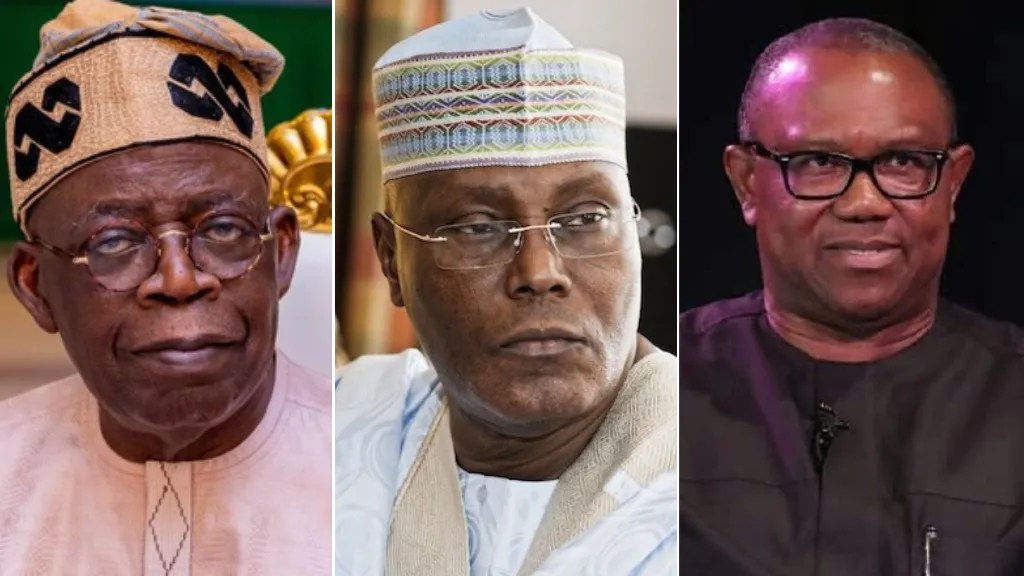
Tinubu Accuses Opposition of Creating Hunger and Poverty in Nigeria

Cardinal Onaiyekan: Governor Alia Was Suspended for Defying Catholic Church Rules on Politics

Eze Eberechukwu Oji Receives New Book on Arochukwu’s Cultural Heritage, Eulogizes Author

‘We Will, We Will, We Will’: Atiku Slams Tinubu Over Promises, Questions Achievements After Three Years

2027: INEC Warns Against Private Declaration of Election Results, Says Commission Has Exclusive Authority

NIGERIA at 66: What is the Way Forward? – Otunba Babatunde Olushola Senbanjo Calls for Rescue, Rebuild and Restore the Nation

How Customs ACG, Others Defrauded Man of ₦96m Over Fake Container Auction – Verydarkman

Ikeji-Aro 2026: Elekwa Applauds Umu-Aro, Says Unity Made Festival A Success

FG Announces 30-Day Petrol Discount at NNPC Stations

Akpabio’s Cruel Ignorance: Punishing Suicide Survivors Is No Answer to Despair – Abdul Mahmud

2026 Teachers’ Day: Otti Approves N1bn Appreciation Fund, Orders Payment of Outstanding Teachers’ Dues

The final 6 ‘Game of Thrones’ episodes might feel like a full season
New Season 8 Walking Dead trailer flashes forward in time
Mod turns ‘Counter-Strike’ into a ‘Tekken’ clone with fighting chickens
Meet Superman’s grandfather in new trailer for Krypton
Disney’s live-action Aladdin finally finds its stars
Who are the early favorites to win the NFL rushing title?
The old and New Edition cast comes together to perform
Boxing continues to knock itself out with bewildering, incorrect decisions
Steph Curry finally got the contract he deserves from the Warriors
Phillies’ Aaron Altherr makes mind-boggling barehanded play
-
 NATIONAL NEWS2 weeks ago
Cardinal Onaiyekan: Governor Alia Was Suspended for Defying Catholic Church Rules on Politics
-
 METRO2 weeks ago
Eze Eberechukwu Oji Receives New Book on Arochukwu’s Cultural Heritage, Eulogizes Author
-
NATIONAL NEWS4 weeks ago
‘We Will, We Will, We Will’: Atiku Slams Tinubu Over Promises, Questions Achievements After Three Years
-
 NATIONAL NEWS3 weeks ago
2027: INEC Warns Against Private Declaration of Election Results, Says Commission Has Exclusive Authority
-
Articles4 weeks ago
NIGERIA at 66: What is the Way Forward? – Otunba Babatunde Olushola Senbanjo Calls for Rescue, Rebuild and Restore the Nation