
Travel
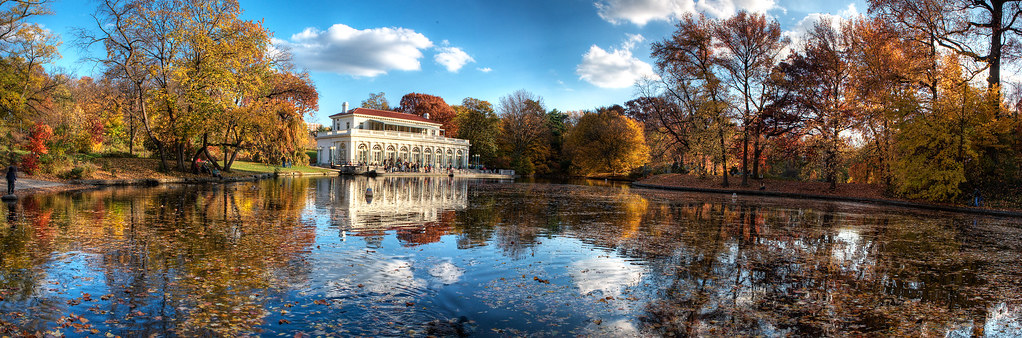
Capturing the Wild: A Guide to the World’s Ultimate Nature Photography Spots

Capturing the Wild: A Guide to the World’s Ultimate Nature Photography Spots
Nature photography is more than just a hobby; it is a powerful medium that freezes the fleeting poetry of the natural world into a single, timeless frame. Whether you are a seasoned professional equipped with a heavy telephoto lens or an paddyviewresort.com enthusiastic amateur using a smartphone, finding the right location is the first step toward creating a masterpiece. The world is full of dramatic vistas, vibrant wildlife, and hidden ecological gems that look almost surreal when viewed through a camera lens.
To help you plan your next creative expedition, this guide highlights some of the planet’s most visually arresting nature photography destinations, categorizing them by their unique environmental appeal.
The Mystique of Southeast Asia: Cambodia’s Untamed Landscapes
Many photographers overlook the dense, biodiverse ecosystems of Southeast Asia in favor of more commercialized western parks. However, places like Cambodia offer a raw, moody aesthetic that is deeply rewarding for landscape and wildlife photographers alike.
In the mountainous northeast, Bousra Waterfall in Mondulkiri stands as a premier location for long-exposure photography. Its dramatic, multi-tiered drops are framed by dense jungle canopy, allowing photographers to play with the contrast of soft, rushing water against dark, textured volcanic rocks. For those drawn to atmospheric, mist-shrouded environments, Preah Monivong Bokor National Park offers sweeping coastal views from high cliffs that are frequently swallowed by fast-moving mountain fog.
Avian photographers will find paradise at the Prek Toal Bird Sanctuary on the Tonle Sap lake. As one of the most important breeding grounds for endangered waterbirds in Southeast Asia, it provides unparalleled opportunities to capture rare species, like the spot-billed pelican and the Greater Adjutant, in mid-flight against a backdrop of flooded forests.
Dramatic Vistas: Icons of Global Landscape Photography
If your photographic passion leans toward wide-angle lenses, sharp geological textures, and golden-hour lighting, certain global landscapes demand a spot on your bucket list.
The Dolomites in northeastern Italy feature jagged limestone peaks that shoot vertically out of rolling green alpine meadows. Photographers flock here during autumn to witness the phenomenon of enrosadira, where the pale rock faces glow with a brilliant pink and orange hue during sunrise and sunset.
Further north, above the Arctic Circle, lies Norway’s Lofoten Islands. This archipelago is a wonderland of dramatic contrasts, where razor-sharp mountain peaks rise straight out of turquoise fjords. In the winter, it serves as a flawless canvas for capturing the ethereal dance of the Northern Lights reflecting across freezing ocean waters.
Across the Atlantic, Yosemite National Park in the United States remains a holy grail for landscape artists. Immortalized by Ansel Adams, the valley offers iconic frames of towering granite monoliths like El Capitan and Half Dome, which look particularly majestic during the spring melt when waterfalls cascade thousands of feet down the rock faces.
Action and Intimacy: Epic Destinations for Wildlife
Wildlife photography requires patience, but choosing a location with abundant biodiversity increases your chances of capturing that perfect, high-stakes action shot or intimate animal portrait.
For classic savanna photography, the contiguous ecosystem of the Maasai Mara in Kenya and the Serengeti in Tanzania is unmatched. The wide-open gold grasslands provide clean, minimalist backgrounds, allowing your subject—whether it is a cheetah stalking its prey or a pride of lions resting under an acacia tree—to pop vividly in the frame. Planning a trip during the Great Migration offers a chaotic, high-energy spectacle of millions of wildebeest crossing treacherous rivers.
If you prefer slow-moving, endemic species, the Galapagos Islands in Ecuador offer a starkly different experience. Because the wildlife here evolved without natural predators, marine iguanas, giant tortoises, and blue-footed boobies display no fear of humans. This unique behavioral trait allows photographers to safely use wider lenses and experiment with close-up framing and creative perspectives that would be impossible anywhere else in the world.
Final Thoughts for the Field
Great nature photography relies heavily on your understanding of light and your respect for the environment. The best shots are often taken during the “golden hours”—the first hour of light after sunrise and the last hour before sunset—when the sun is low, casting long shadows and painting the landscape in warm, soft tones. As you venture out to these spectacular locations, remember to follow ethical wildlife and trail practices, ensuring these pristine environments remain beautiful for the generations of photographers who will follow in your footsteps.
To help tailor future photography tips for your blog, please share what specific gear you usually write about, or if your audience prefers beginner-friendly tips over advanced professional techniques.
For publication of your news content, articles, videos or any other news worthy materials, please send to newsleverage1@gmail.com. For more enquiry, please call +234-901-067-1763 or whatsapp +234-901-067-1763. To place an advert, please call 09010671763

Articles11 hours ago
Opinion: Restoring Stewardship: Chinedum Orji For Real Results – Chimag

POLITICS12 hours ago
APC Remains Abia’s Most Viable Political Force, Says Party Spokesman

METRO13 hours ago
“Jonathan and Buhari Didn’t Destroy Yoruba Communities, Why Is Tinubu Doing So?” – Lagos Residents Protest Demolitions

Articles14 hours ago
Opinion: Chinedum Orji: Memories of Performance & Clarion Call – Madubuike
POLITICS1 day ago
Abia APC Fires Back at Critics, Insists Opah Won Governorship Primary Fair and Square

Abia State News1 day ago
Aka-God Fuel Station Owner Cries Out After Devastating Fire Causes ₦140 Million Loss

NATIONAL NEWS1 day ago
Court Remands AAC Presidential Candidate Sowore in Kuje Prison, Rejects Recusal Request

Abia State News1 day ago
Countdown Begins as Committee Visits Ogbonnaya Onu Polytechnic Ahead of 2026 Aba Trade Fair

Articles2 days ago
Opinion: The Sacred Cow Republic – Abdul Mahmud

NATIONAL NEWS3 days ago
Umahi Accuses Peter Obi of Silence on Monday Sit-at-Home, Challenges Obidients

Articles3 weeks ago
Opinion: Nigeria’s Permanent Emergency – Abdul Mahmud
METRO3 weeks ago
NDC Abia Senatorial Aspirant Bishop Emeka Nwankpa, Seven Others Arraigned Over Alleged Fake Pastorship

Abia State News4 weeks ago
BREAKING: Hope For Men Battling Enlarged Prostate As New Laser Technology Arrives Nigeria

NATIONAL NEWS1 week ago
Dangote Offers Automatic Employment to 30 FUTO Students Following Refinery Tour

Articles1 week ago
June 12 Honours List and the Missing Names – Abdul Mahmud

METRO3 days ago
Sunday Igboho Issues Two-Hour Ultimatum to Fulani Community Over Alleged Kidnappings

Articles4 weeks ago
Nigeria Between Monetary Stabilisation, Public Hardship, and the Search for Credible Opposition – Balogun

Abia State News4 weeks ago
Humanitarian Founder, Ambassador Emmanuel Josiah Visits Bereaved Family Over Killing of Nursing Student Wendy Achumba

NATIONAL NEWS3 weeks ago
Lere Olayinka: INEC Denies Hacking Claims, Investigates Alleged Unauthorised Access to Voter Database

Education3 weeks ago
Southeast Nigeria’s Girls Build Tech Solutions for Real-World Challenges, 4 Teams Advance to Global Technovation Semi-Finals

ENTERTAINMENT9 years ago
The final 6 ‘Game of Thrones’ episodes might feel like a full season
ENTERTAINMENT9 years ago
New Season 8 Walking Dead trailer flashes forward in time
ENTERTAINMENT9 years ago
Mod turns ‘Counter-Strike’ into a ‘Tekken’ clone with fighting chickens
ENTERTAINMENT9 years ago
Meet Superman’s grandfather in new trailer for Krypton
ENTERTAINMENT9 years ago
Disney’s live-action Aladdin finally finds its stars
SPORTS9 years ago
Who are the early favorites to win the NFL rushing title?
ENTERTAINMENT9 years ago
The old and New Edition cast comes together to perform
SPORTS9 years ago
Boxing continues to knock itself out with bewildering, incorrect decisions
SPORTS9 years ago
Steph Curry finally got the contract he deserves from the Warriors
SPORTS9 years ago
Phillies’ Aaron Altherr makes mind-boggling barehanded play
-
 Articles3 weeks ago
Opinion: Nigeria’s Permanent Emergency – Abdul Mahmud
-
METRO3 weeks ago
NDC Abia Senatorial Aspirant Bishop Emeka Nwankpa, Seven Others Arraigned Over Alleged Fake Pastorship
-
 Abia State News4 weeks ago
BREAKING: Hope For Men Battling Enlarged Prostate As New Laser Technology Arrives Nigeria
-
 NATIONAL NEWS1 week ago
Dangote Offers Automatic Employment to 30 FUTO Students Following Refinery Tour
-
 Articles1 week ago
June 12 Honours List and the Missing Names – Abdul Mahmud