
Dental
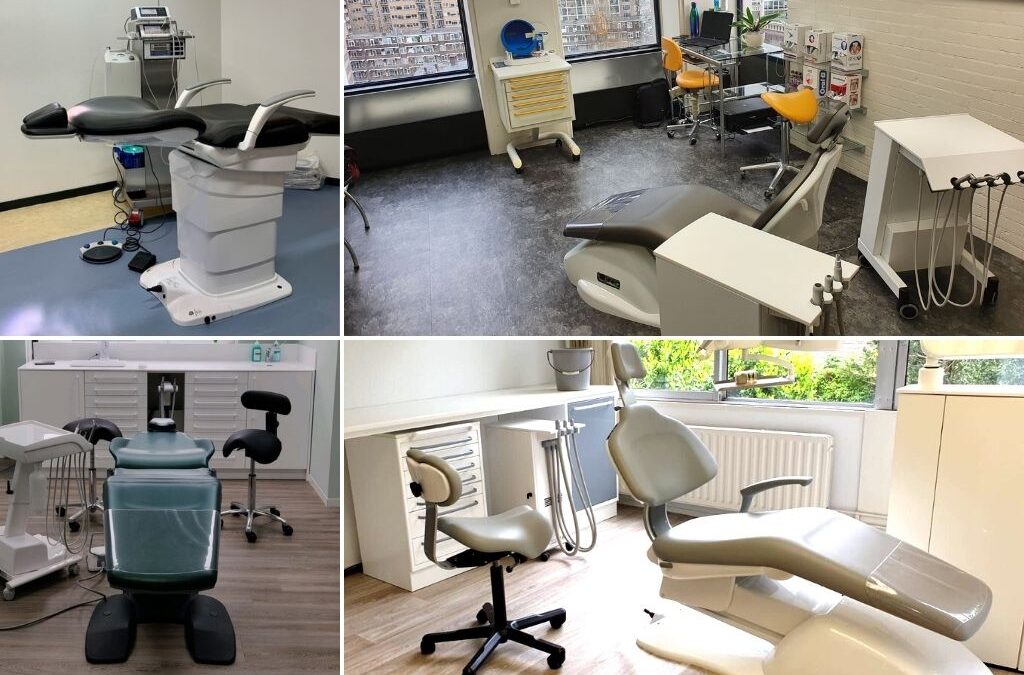
The Digital Revolution in Modern Dentistry: Precision, Comfort, and Speed

The Digital Revolution in Modern Dentistry: Precision, Comfort, and Speed
The landscape of oral healthcare has undergone a massive transformation over the past decade. Traditional dental visits, often associated with anxiety-inducing drills, messy putty molds, and long waiting periods for lab work, are rapidly becoming obsolete. Today, dental clinics worldwide are leveraging modern dental equipment to deliver faster, highly precise, and exceptionally comfortable treatments. This technological evolution benefits not only the practitioners, who can work with unprecedented accuracy, but also the patients, who enjoy a vastly improved clinical experience.
Advanced Diagnostics and Visualizations
At the forefront of this revolution is the shift from analog to digital diagnostic tools. Traditional film X-rays have largely given way to digital radiography. This shift reduces a patient’s radiation exposure by up to 80 percent while delivering crystal-clear imagery instantly to a computer chairside screen.
Furthermore, the introduction of intraoral scanners and cameras has completely changed the initial consultation phase. Instead of biting down on uncomfortable trays filled with gooey impression material, patients now sit comfortably while a small wand sweeps through their mouth. In seconds, this device captures thousands of individual data points to render a flawless 3D model of the teeth and gums. Dentists can project these models onto a screen, allowing patients to see exactly what the doctor sees, fostering deeper trust and clear communication regarding necessary treatment plans.
Same-Day Restoration and Surgical Precision
One of the most impactful applications of modern dental equipment lies in Computer-Aided Design and Computer-Aided Manufacturing (CAD/CAM) technology. In the past, getting a custom crown or dental veneer required multiple dr hanna dds appointments separated by weeks of waiting for a third-party laboratory to fabricate the prosthetic. Today, in-office CAD/CAM systems allow dentists to design, mill, and polish a custom porcelain crown right beside the chair. Patients can walk in with a damaged tooth and walk out a few hours later with a permanent, high-strength restoration.
Complementing this manufacturing agility is the integration of high-precision 3D printers and dental lasers. 3D printers enable clinics to produce surgical guides, clear orthodontic aligners, and temporary splints overnight with microscopic precision. Meanwhile, dental lasers have revolutionized soft and hard tissue procedures. By utilizing focused light energy, lasers can remove tooth decay or treat advanced gum disease without the vibration of a traditional drill. Because lasers cauterize tissue as they cut, patients experience minimal bleeding, significantly less post-operative swelling, and accelerated healing times.
Prioritizing Patient Comfort and Safety
Beyond structural repairs, modern equipment actively tackles dental anxiety. Ultrasonic scalers use high-frequency sound waves to blast away stubborn plaque and tartar, rendering routine cleanings much gentler on sensitive teeth. Behind the scenes, automated, hospital-grade sterilization centers utilize vacuum autoclaves to ensure that every instrument meets impeccable sanitation standards, offering peace of mind. By integrating these interconnected technologies, modern dentistry successfully redefines oral care into a precise, stress-free, and highly efficient medical discipline.
For publication of your news content, articles, videos or any other news worthy materials, please send to newsleverage1@gmail.com. For more enquiry, please call +234-901-067-1763 or whatsapp +234-901-067-1763. To place an advert, please call 09010671763

Articles12 hours ago
Opinion: Restoring Stewardship: Chinedum Orji For Real Results – Chimag

POLITICS12 hours ago
APC Remains Abia’s Most Viable Political Force, Says Party Spokesman

METRO14 hours ago
“Jonathan and Buhari Didn’t Destroy Yoruba Communities, Why Is Tinubu Doing So?” – Lagos Residents Protest Demolitions

Articles15 hours ago
Opinion: Chinedum Orji: Memories of Performance & Clarion Call – Madubuike
POLITICS1 day ago
Abia APC Fires Back at Critics, Insists Opah Won Governorship Primary Fair and Square

Abia State News1 day ago
Aka-God Fuel Station Owner Cries Out After Devastating Fire Causes ₦140 Million Loss

NATIONAL NEWS1 day ago
Court Remands AAC Presidential Candidate Sowore in Kuje Prison, Rejects Recusal Request

Abia State News2 days ago
Countdown Begins as Committee Visits Ogbonnaya Onu Polytechnic Ahead of 2026 Aba Trade Fair

Articles2 days ago
Opinion: The Sacred Cow Republic – Abdul Mahmud

NATIONAL NEWS3 days ago
Umahi Accuses Peter Obi of Silence on Monday Sit-at-Home, Challenges Obidients

Articles3 weeks ago
Opinion: Nigeria’s Permanent Emergency – Abdul Mahmud

METRO3 weeks ago
NDC Abia Senatorial Aspirant Bishop Emeka Nwankpa, Seven Others Arraigned Over Alleged Fake Pastorship

Abia State News4 weeks ago
BREAKING: Hope For Men Battling Enlarged Prostate As New Laser Technology Arrives Nigeria

NATIONAL NEWS1 week ago
Dangote Offers Automatic Employment to 30 FUTO Students Following Refinery Tour

Articles1 week ago
June 12 Honours List and the Missing Names – Abdul Mahmud

METRO3 days ago
Sunday Igboho Issues Two-Hour Ultimatum to Fulani Community Over Alleged Kidnappings

Articles4 weeks ago
Nigeria Between Monetary Stabilisation, Public Hardship, and the Search for Credible Opposition – Balogun

Abia State News4 weeks ago
Humanitarian Founder, Ambassador Emmanuel Josiah Visits Bereaved Family Over Killing of Nursing Student Wendy Achumba

NATIONAL NEWS3 weeks ago
Lere Olayinka: INEC Denies Hacking Claims, Investigates Alleged Unauthorised Access to Voter Database

Education3 weeks ago
Southeast Nigeria’s Girls Build Tech Solutions for Real-World Challenges, 4 Teams Advance to Global Technovation Semi-Finals

ENTERTAINMENT9 years ago
The final 6 ‘Game of Thrones’ episodes might feel like a full season
ENTERTAINMENT9 years ago
New Season 8 Walking Dead trailer flashes forward in time
ENTERTAINMENT9 years ago
Mod turns ‘Counter-Strike’ into a ‘Tekken’ clone with fighting chickens
ENTERTAINMENT9 years ago
Meet Superman’s grandfather in new trailer for Krypton
ENTERTAINMENT9 years ago
Disney’s live-action Aladdin finally finds its stars
SPORTS9 years ago
Who are the early favorites to win the NFL rushing title?
ENTERTAINMENT9 years ago
The old and New Edition cast comes together to perform
SPORTS9 years ago
Boxing continues to knock itself out with bewildering, incorrect decisions
SPORTS9 years ago
Steph Curry finally got the contract he deserves from the Warriors
SPORTS9 years ago
Phillies’ Aaron Altherr makes mind-boggling barehanded play
-
 Articles3 weeks ago
Opinion: Nigeria’s Permanent Emergency – Abdul Mahmud
-
METRO3 weeks ago
NDC Abia Senatorial Aspirant Bishop Emeka Nwankpa, Seven Others Arraigned Over Alleged Fake Pastorship
-
 Abia State News4 weeks ago
BREAKING: Hope For Men Battling Enlarged Prostate As New Laser Technology Arrives Nigeria
-
 NATIONAL NEWS1 week ago
Dangote Offers Automatic Employment to 30 FUTO Students Following Refinery Tour
-
 Articles1 week ago
June 12 Honours List and the Missing Names – Abdul Mahmud